
Alcohol-free rosé
Non-alcoholic rosé combines freshness and lightness with a mature character. This style falls perfectly between white and red , making it ideal for non-alcoholic versions. The best non-alcoholic rosés are clear, refreshing, and balanced, without being sweet or lemonade-like.
6 products


Order now, shipped tomorrow Shipped tomorrow

Order now, shipped tomorrow Shipped tomorrow

Order now, shipped tomorrow Shipped tomorrow
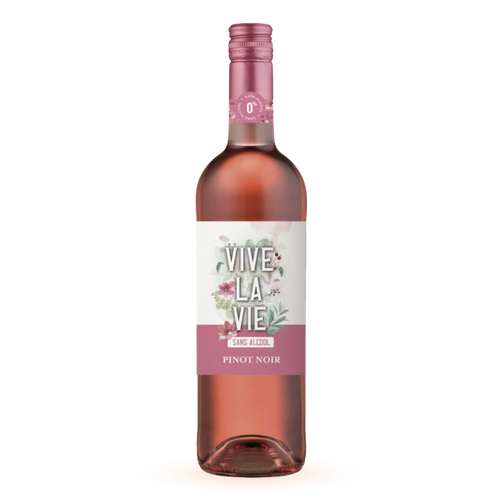
Shipment within approx. 2 business days. Shipment within approx. 2 business days.
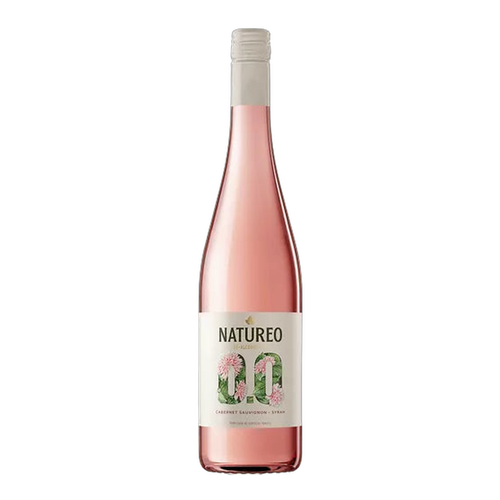
Shipment within approx. 2 business days. Shipment within approx. 2 business days.
Non-alcoholic rosé combines freshness and lightness with a mature character. This style falls perfectly between white and red , making it ideal for non-alcoholic versions. The best non-alcoholic rosés are clear, refreshing, and balanced, without being sweet or lemonade-like.
What is alcohol-free rosé?
Alcohol-free rosé begins as a true rosé wine . After fermentation, the alcohol is carefully removed to preserve the fresh acidity, light structure, and character of the grape.
Why does alcohol-free rosé often work better than alcohol-free red?
Because rosé is naturally lighter and fresher, the lack of alcohol has less impact on balance and mouthfeel.
Style and character
Alcohol-free rosé is all about freshness and elegance. The style is light, but not empty, and characterized by tension and a clean finish.
Characteristic of a good alcohol-free rosé:
- fresh acids
- light structure
- dry and clear profile
- refreshing aftertaste
The color is often salmon pink to light pink, matching the fresh style.
Grapes and vinification
Alcohol-free rosé typically uses grapes that naturally bring freshness and subtlety. Vinification focuses on short-term maceration, preserving aromas, and preventing residual sweetness after dealcoholization.
Wood use is irrelevant. The focus is entirely on purity and balance.
When do you choose alcohol-free rosé?
Alcohol-free rosé is particularly suitable for informal moments, lunches, sunny days and situations where you consciously do not drink alcohol, but still want to pour a stylish glass.
The fresh style makes this category also suitable as an aperitif or with light dishes.
Alcohol-free rosé and alternatives
Within the alcohol-free range, rosé is often chosen alongside alcohol-free white wine or sparkling alternatives . For those seeking added complexity without alcohol, tea extractions and infusions can also be an interesting alternative, although alcohol-free rosé is explicitly positioned as a wine.
Alcohol-free rosé at Perfectewijn.nl
At Perfecte Wijn, you'll find alcohol-free rosés selected for their freshness, balance, and mature style. No sweet alternatives, but serious rosé for those who choose consciously and still want to enjoy an elegant glass.
Veelgestelde vragen
Is alcohol-free rosé real wine?
Yes, the base is always fermented rosé wine from which the alcohol has been removed.
Is alcohol-free rosé sweet?
No, good examples are fresh and dry in style.
Is alcohol-free rosé suitable as an aperitif?
Yes, the fresh and light style makes this a popular choice.
What is the difference between alcohol-free rosé and white?
Rosé is somewhere between white and red in style, with a little more structure than white.
Who is alcohol-free rosé especially suitable for?
For those who make a conscious choice and are looking for a fresh, stylish alternative without alcohol.


