
Rosé wine
Rosé wine is one of the most versatile and accessible wine styles in the world. Its color ranges from a very pale salmon pink to a deep raspberry, depending on the grape variety, origin, and vinification method. Rosé combines the freshness of white wine with subtle red fruit, making it ideal for both aperitifs and meals. Thanks to modern winemaking techniques, rosé has become a fully-fledged wine category, encompassing both light Provence styles and fuller-bodied Mediterranean varieties.
287 products


Order now, shipped tomorrow Shipped tomorrow


Order now, shipped tomorrow Shipped tomorrow

Order now, shipped tomorrow Shipped tomorrow
Order now, shipped tomorrow Shipped tomorrow
Order now, shipped tomorrow Shipped tomorrow


Order now, shipped tomorrow Shipped tomorrow

Order now, shipped tomorrow Shipped tomorrow
Order now, shipped tomorrow Shipped tomorrow

Order now, shipped tomorrow Shipped tomorrow


Regular 22,95
Order now, shipped tomorrow Shipped tomorrow
Order now, shipped tomorrow Shipped tomorrow

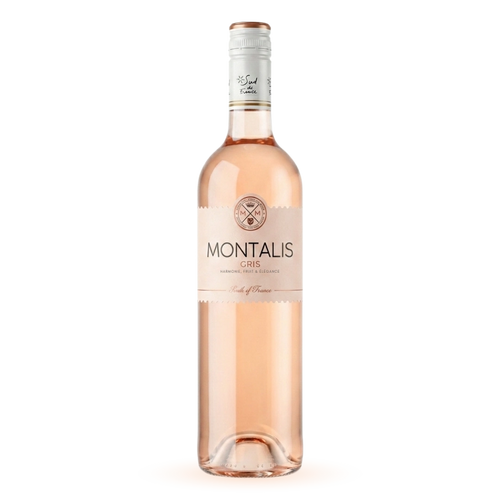
Order now, shipped tomorrow Shipped tomorrow

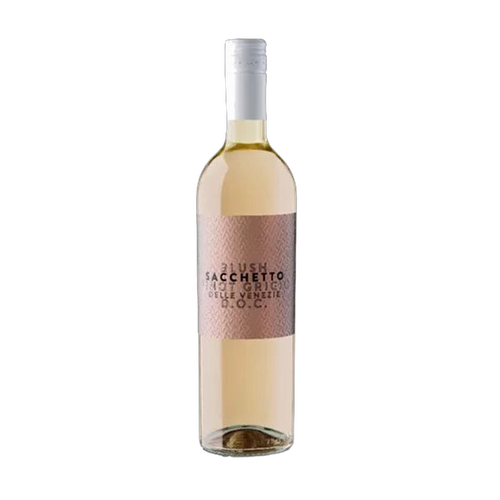
Order now, shipped tomorrow Shipped tomorrow
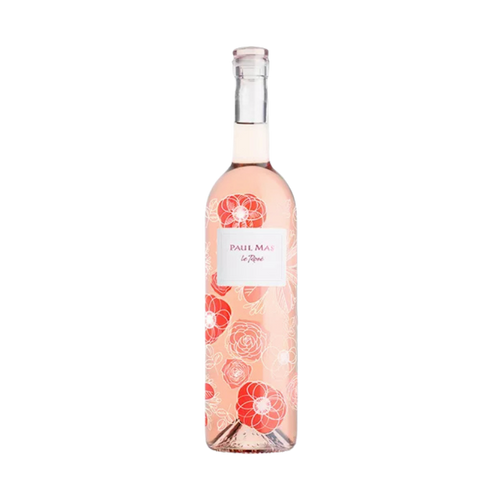
Order now, shipped tomorrow Shipped tomorrow
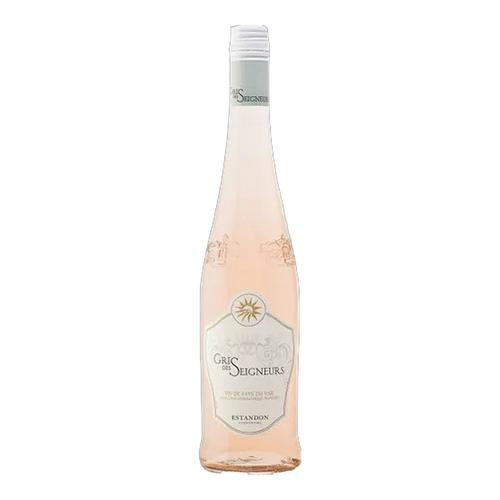
Order now, shipped tomorrow Shipped tomorrow
Order now, shipped tomorrow Shipped tomorrow

Order now, shipped tomorrow Shipped tomorrow
Order now, shipped tomorrow Shipped tomorrow

Order now, shipped tomorrow Shipped tomorrow


Order now, shipped tomorrow Shipped tomorrow

Order now, shipped tomorrow Shipped tomorrow
Order now, shipped tomorrow Shipped tomorrow

Order now, shipped tomorrow Shipped tomorrow

Order now, shipped tomorrow Shipped tomorrow
Rosé wine is one of the most versatile and accessible wine styles in the world. Its color ranges from a very pale salmon pink to a deep raspberry, depending on the grape variety, origin, and vinification method. Rosé combines the freshness of white wine with subtle red fruit, making it ideal for both aperitifs and meals. Thanks to modern winemaking techniques, rosé has become a fully-fledged wine category, encompassing both light Provence styles and fuller-bodied Mediterranean varieties.
What is rosé wine?
Rosé wine is a wine made from red grapes whose skins are only briefly in contact with the juice. This imparts color and aromas without the strong tannins of red wine. Rosé can be dry, light, and elegant, but also fuller and more aromatic depending on the grape and region. The style is versatile and popular worldwide.
Origin and vineyards
Rosé is produced in almost all wine-producing countries, but a few regions define modern rosé culture.
Major areas of origin:
- Provence (France) – the benchmark region for pale, mineral rosé with subtle red fruit and citrus notes.
- Tavel (Rhône) – known for dry, powerful rosé with a deeper colour.
- Languedoc – sunny, Mediterranean rosé with spiciness.
- Spain (Rosado) – ranging from fresh Basque to full Castilla.
- Italy (such as Salento in Puglia) – sultry rosato with riper fruit and Mediterranean warmth.
Terroir characteristics that influence rosé:
- Climate – Cool regions produce tight, mineral rosés; warm areas yield fuller, riper styles.
- Soil – Limestone provides freshness and minerality; sand and clay provide aromatic roundness.
- Altitude – Higher vineyards retain acidity and create a refined style.
Styles and vinification
Rosé isn't a blend of red and white. It's deliberately vinified as a distinct wine style.
How is rosé made?
The three main methods are:
- Direct pressing – grapes are pressed like white wine; produces a pale color and refined flavor.
- Short skin maceration – the skins are soaked for several hours; produces more colour and fruit.
- Saignée method – “tapping” juice from red wine barrels; produces a concentrated, full-bodied rosé.
What determines the color of rosé wine?
The color is created by the length of contact between the grape juice and the skins, which usually ranges from a few minutes to several hours.
Important grapes for rosé
• Grenache – red fruit, soft style, based on Provence rosé.
• Syrah – spiciness and deeper fruit.
• Cinsault – finesse and elegance.
• Tempranillo – Spanish rosado with freshness and structure.
• Negroamaro / Primitivo – full, Mediterranean rosato.
Flavor profiles
• Pale and minerally – citrus, white flowers, subtle red fruit.
• Fruity and aromatic – strawberry, raspberry, watermelon.
• Full and powerful – sultry red fruit, spices, Mediterranean warmth.
Storage and serving
Rosé wine is usually meant to be drunk young.
• Light rosé: within 1–2 years
• Mediterranean rosé: 2–3 years
• Powerful rosé such as Tavel: 3–5 years
Serving temperature: 9–11 degrees
Preferably use slender, tulip-shaped glasses to emphasise freshness.
Buy rosé wine at Perfectewijn.nl
At Perfecte Wijn, you'll find rosés in every style: from refined Provence expressions to sunny Italian rosés and aromatic Spanish rosés. Each rosé is selected for freshness, balance, and drinking pleasure, so you'll always find the right style for every occasion.
Veelgestelde vragen
How is rosé wine made?
By briefly macerating blue grapes with their skins, this releases color and aromas without harsh tannins.
Is rosé sweet or dry?
Most quality rosé is dry, but some styles, especially from warmer regions, can be fruitier and rounder.
Which grapes are used for rosé?
Common grapes include Grenache, Syrah, Cinsault, Tempranillo, and several Mediterranean varieties.
How long can you keep rosé?
Provence is often seen as the benchmark region thanks to its elegant, dry and mineral style.


