
Matsu
Matsu is a distinctive and characterful winery from Toro , in northwestern Spain. The estate is known for powerful, pure wines from old Tinta de Toro vines and a philosophy centered on respect for nature, people, and time. Matsu literally means " waiting " in Japanese, a word that perfectly captures the estate's approach: forcing nothing, letting everything happen at the right moment.
8 products


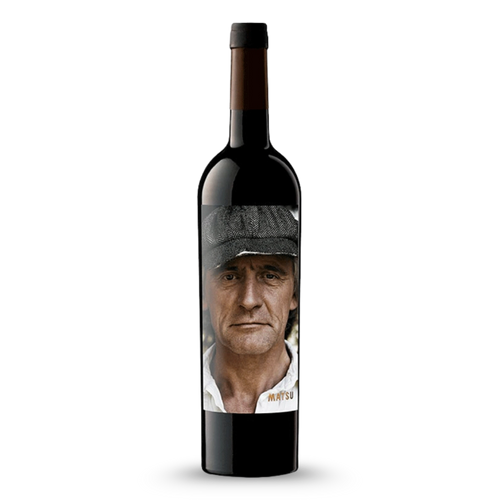


Order now, shipped tomorrow Shipped tomorrow

Order now, shipped tomorrow Shipped tomorrow


Order now, shipped tomorrow Shipped tomorrow

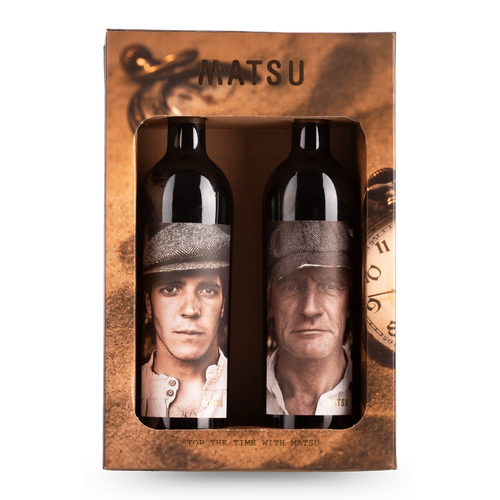
Order now, shipped tomorrow Shipped tomorrow


Order now, shipped tomorrow Shipped tomorrow
Matsu is a distinctive and characterful winery from Toro , in northwestern Spain. The estate is known for powerful, pure wines from old Tinta de Toro vines and a philosophy centered on respect for nature, people, and time. Matsu literally means " waiting " in Japanese, a word that perfectly captures the estate's approach: forcing nothing, letting everything happen at the right moment.
What is Matsu?
Matsu is a Spanish winery that focuses entirely on expressive red wines from Toro. The wines are made from very old vines, often over 80 to 100 years old, and without unnecessary intervention in the cellar. Matsu combines traditional viticulture with a modern, minimalist approach, resulting in wines with power, depth, and authenticity.
What is Matsu Winery known for? Powerful Toro wines from extremely old vines, made with minimal intervention and maximum expression.
Origin and philosophy
Matsu is part of the Vintae group, but functions as a separate project with a very distinct identity. Matsu's philosophy is based on three core values: respect for the vine, respect for the winemaker, and respect for time.
This concept is brought to life in the house's three iconic cuvées, each symbolizing a generation of winemakers. Not as a marketing slogan, but as a reflection of experience, patience, and the sharing of knowledge. Everything at Matsu revolves around the balance between strength and tranquility.
Origin and vineyards
Matsu's vineyards are located in the DO Toro, a region known for its extreme conditions. Summers are hot and dry, winters cold, and the soils poor and stony. These conditions contribute to low yields and high grape concentration.
The vines are exceptionally old and often stand on their own roots. They are dry-grown, without irrigation, and harvested by hand. Their deep rooting allows the vines to draw nutrients from different soil layers, contributing to the wine's complexity and structure.
Grape and style
Matsu works exclusively with Tinta de Toro , the local variety of Tempranillo . This grape produces wines in Toro that are clearly different from those from Rioja or Ribera del Duero . The style is more powerful, riper, and more concentrated, but at Matsu, it is always balanced by precision and timing.
The wines are characterized by:
- deep color and concentration
- ripe dark fruit
- firm but ripe tannins
- great structure and length
- excellent storage potential
Despite their strength, the wines always retain freshness and drinkability.
Vinification and maturation
Matsu's vinification process is deliberately minimalist. Yeasts are natural, filtration is avoided, and interventions are kept to a minimum. Maturation takes place in oak , tailored to the wine's character, never as an end in itself.
The combination of old vines, low yields, and patient aging produces wines that combine power and elegance. Time is essential, both in the vineyard and in the cellar.
Storage and serving
Matsu wines are exceptionally well-suited for aging. Depending on the cuvée, they can easily mature for 10 to 20 years or longer, further developing their structure and complexity.
Serving temperature is ideally around 16–18 degrees Celsius. Young wines benefit from aeration, while more mature bottles should be poured with caution to preserve their nuance.
Buy Matsu at Perfectewijn.nl
At Perfecte Wijn, you'll find Matsu for lovers of powerful, authentic Spanish red wine with depth and story. These wines from Toro combine old vines, minimal intervention, and impressive aging potential, appealing to both experienced wine lovers and those just exploring.
Veelgestelde vragen
What region is Matsu from?
From Toro, in northwestern Spain.
What grape varieties are Matsu wines made from?
From Tinta de Toro, a local Tempranillo variety.
What does the name Matsu mean?
Matsu means “waiting” and refers to patience and timing.
Are Matsu wines suitable for aging?
Yes, they have excellent keeping potential.
What makes Matsu different from other Toro manufacturers?
The combination of extremely old vines and minimal intervention.


