
Palatinate
The Palatinate is one of Germany's most diverse and sun-drenched wine regions . The region is known for fresh, modern white wines, powerful yet elegant red styles, and exceptional consistency in quality. Thanks to its mild climate, chalky soils, and wide variety of grape varieties, the Palatinate is one of the most popular wine regions for both Riesling and Burgundy varieties such as Pinot Blanc and Pinot Gris.
The Palatinate is one of Germany's most diverse and sun-drenched wine regions .
Read morePalatinate
53 products
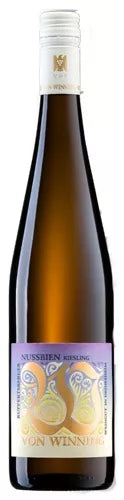
Ordered before 16:00, shipped the same business day!
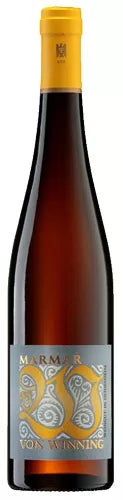
Ordered before 16:00, shipped the same business day!
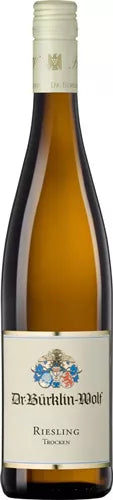
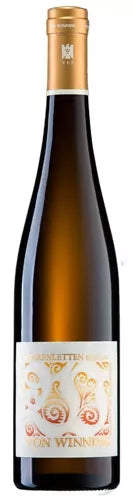
Ordered before 16:00, shipped the same business day!
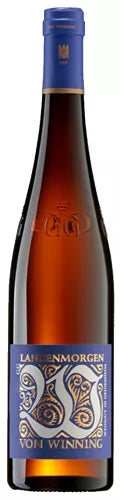
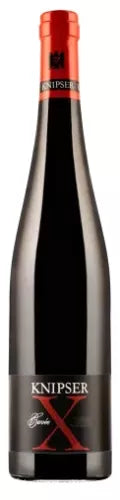
Shipment within approx. 2 business days.
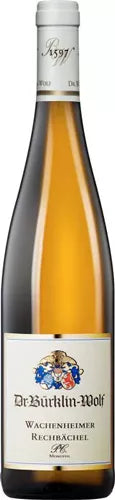
Ordered before 16:00, shipped the same business day!
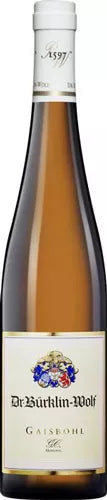
Shipment within approx. 2 business days.
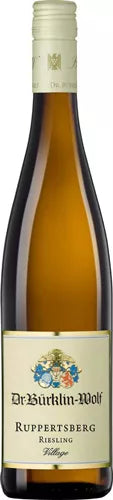
Ordered before 16:00, shipped the same business day!
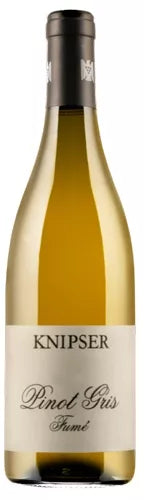
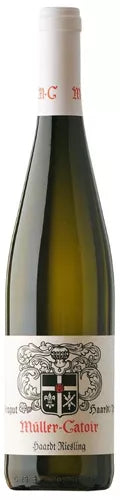
Shipment within approx. 2 business days.
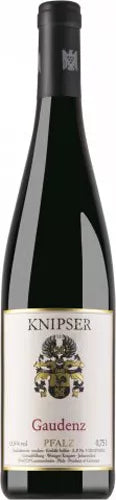
Shipment within approx. 2 business days.
What is the Palatinate?
Palatinate is a wine region in southwest Germany, directly south of Rheinhessen . The area runs along the Haardt Mountains, a spur of the Vosges Mountains, making it one of the warmest and driest wine regions in the country. The Palatinate is known for expressive white wines, smooth red styles, and a modern, gastronomic wine culture.
Origin and vineyards
Palatinate has a unique terroir that makes the area perfect for a wide variety of grapes.
Key features of the Palatinate:
• Warm, sunny climate (almost Mediterranean influence)
• Limestone and sandstone soils for structure and finesse
• Diversity of terroirs from Mittelhaardt to Südliche Weinstrasse
• Ideal conditions for Burgundian varieties
• Favorable location thanks to the shelter provided by the Haardt Mountains
Important subzones:
• Mittelhaardt (Northern Palatinate) – classic Riesling, elegant and mineral
• Südliche Weinstrasse – softer style, round fruit, aromatic wines
Styles and vinification
White wine from the Palatinate
The Palatinate is known for fresh, modern and gastronomic white wines.
Main styles:
• Riesling – expressive, stone fruit, citrus, mineral tension
• Weissburgunder (Pinot Blanc) – soft, elegant, perfect with food
• Grauburgunder (Pinot Gris) – creamier, fuller, friendly
• Chardonnay – both fresh and subtly wood-matured
Red wine from the Palatinate
The warm climate makes the Palatinate one of the best German regions for red wine.
Main grapes:
• Spätburgunder (Pinot Noir) – elegant, soft, sometimes light wood
• Dornfelder – fruity, smooth, deep colour
Why are Palatinate wines so accessible and versatile? Because the warm climate and chalky soils produce ripe fruit, soft acidity, and wines that can be both fresh and full-bodied.
Storage and serving
• Riesling: 3–8 years
• Weissburgunder and Grauburgunder: 2–5 years
• Spätburgunder: 3–7 years
• Dornfelder: 2–4 years
Serving temperature:
• White: 8–10 degrees
• Red: 14–16 degrees
Buy Palatinate wine at Perfectewijn.nl
At Perfecte Wijn, you'll find a selection of Palatinate wines that perfectly showcase the region's strengths: expressive Rieslings, elegant Burgundian varieties, and supple reds. The Palatinate offers modern, accessible, quality wines suitable for almost any occasion.
Frequently Asked Questions
What is the Palatinate most known for?
For fresh Riesling, elegant Burgundy wines and smooth German red wine.
Is the Palatinate warmer than the Mosel?
Yes, the climate is significantly warmer, which produces fuller and fruitier styles.
Which grape varieties do best in the Palatinate?
Riesling, Weissburgunder, Grauburgunder and Spätburgunder.
What makes Palatinate wines so gastronomic?
The combination of ripe fruit, soft acidity and a modern wine style.
Are Palatinate wines suitable for storing?
Yes, Riesling and Spätburgunder in particular have good ageing potential.


