
Western Cape
The Western Cape is the heart of the South African wine world . The area encompasses virtually all of the country's top regions, including Stellenbosch , Franschhoek , Swartland , Paarl , and Walker Bay. Thanks to the cool ocean influence, mountains, ancient soils, and abundant sunshine, the Western Cape offers unparalleled diversity: from elegant coastal wines to powerful red blends and refined Chenin Blanc . It is one of the most dynamic wine regions in the Southern Hemisphere.
354 products

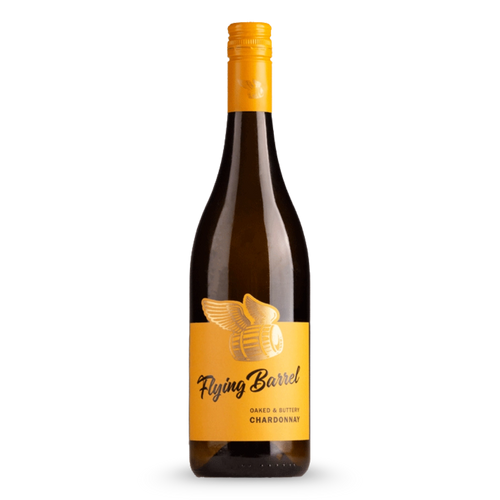
Order now, shipped tomorrow Shipped tomorrow
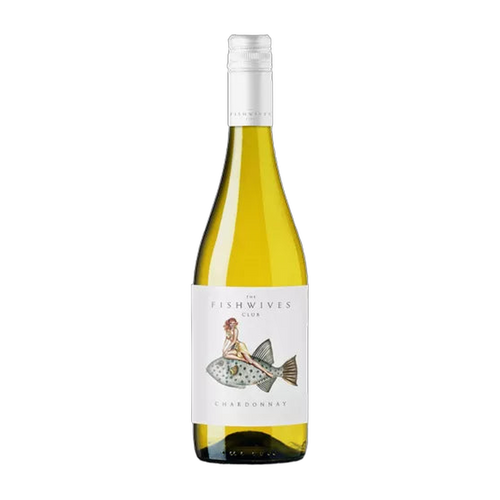
Order now, shipped tomorrow Shipped tomorrow

Order now, shipped tomorrow Shipped tomorrow
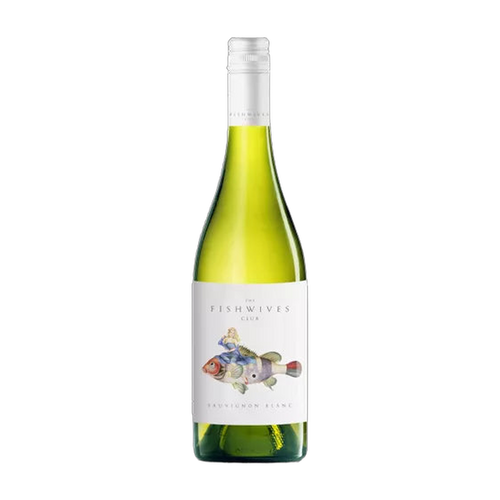
Order now, shipped tomorrow Shipped tomorrow

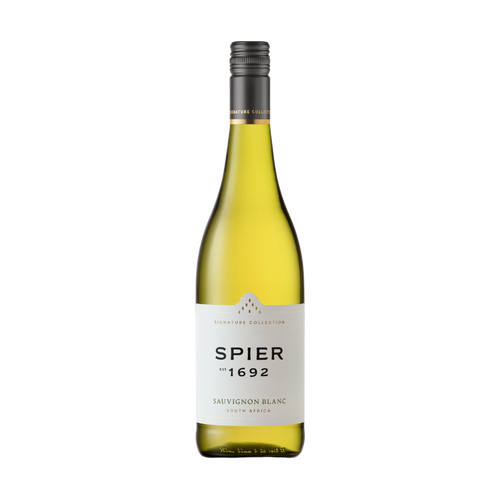
Order now, shipped tomorrow Shipped tomorrow
Order now, shipped tomorrow Shipped tomorrow


Regular 47,95
Order now, shipped tomorrow Shipped tomorrow
Order now, shipped tomorrow Shipped tomorrow

Order now, shipped tomorrow Shipped tomorrow


Order now, shipped tomorrow Shipped tomorrow

Order now, shipped tomorrow Shipped tomorrow

Order now, shipped tomorrow Shipped tomorrow
Order now, shipped tomorrow Shipped tomorrow
Order now, shipped tomorrow Shipped tomorrow


Regular
€19,95
Order now, shipped tomorrow Shipped tomorrow

Order now, shipped tomorrow Shipped tomorrow

Order now, shipped tomorrow Shipped tomorrow

Order now, shipped tomorrow Shipped tomorrow

Order now, shipped tomorrow Shipped tomorrow

Regular
€17,95
Order now, shipped tomorrow Shipped tomorrow

Order now, shipped tomorrow Shipped tomorrow

Order now, shipped tomorrow Shipped tomorrow

Order now, shipped tomorrow Shipped tomorrow
The Western Cape is the heart of the South African wine world . The area encompasses virtually all of the country's top regions, including Stellenbosch , Franschhoek , Swartland , Paarl , and Walker Bay. Thanks to the cool ocean influence, mountains, ancient soils, and abundant sunshine, the Western Cape offers unparalleled diversity: from elegant coastal wines to powerful red blends and refined Chenin Blanc . It is one of the most dynamic wine regions in the Southern Hemisphere.
What is Western Cape?
Western Cape is a broad geographical indication (WO Western Cape) for wines from the quality regions of the Cape coast and inland. This classification allows for blends between sub-regions that complement each other perfectly. The Western Cape produces refined white wines as well as powerful red styles, sparkling wines from the MCC series, and modern, terroir-driven cuvées.
Origin and vineyards
The Western Cape encompasses multiple microclimates, from cool coastal areas to warm valleys. It is precisely this diversity that makes the region unique.
Key terroir characteristics:
- Benguela Current – cool ocean current that brings freshness and aromatic tension
- Mountain ranges such as Stellenbosch, Franschhoek and Cederberg – elevation differences create cooler plots
- Ancient geological soils – granite, slate, schist and sandstone for structure and complexity
- Warm days and cool nights – perfect balance of ripe fruit and acidity
Main sub-regions within Western Cape:
- Stellenbosch – powerful Cabernet, Bordeaux blends, Pinotage
- Franschhoek – elegant white wines and MCC
- Swartland – terroir-driven Syrah, Chenin Blanc and Mediterranean blends
- Paarl – warm style, rich red wines
- Walker Bay (Hemel-en-Aarde) – cool climate, top quality Pinot Noir and Chardonnay
- Constantia – famous Sauvignon Blanc and fine dessert wines
Styles and vinification
Red wines
Western Cape is known for both powerful and refined red styles.
Main red grapes:
• Cabernet Sauvignon – cassis, cedar, structure
• Shiraz/Syrah – dark fruit, smoke and spices
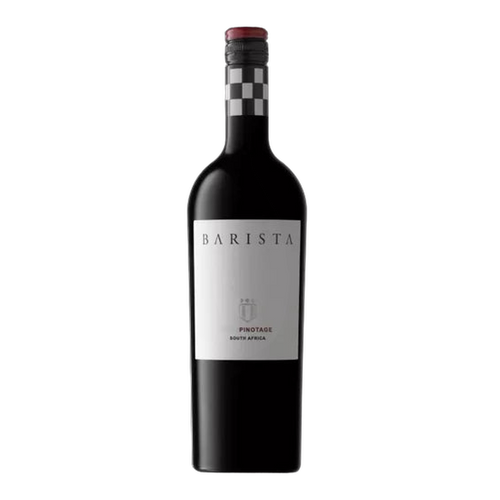
• Pinotage – the iconic South African grape
• Merlot & Cabernet Franc – basis for Bordeaux blends
• Grenache & Cinsault – lighter, modern Mediterranean styles
White wines
The region produces some of the finest white wines in the Southern Hemisphere.
Main white grapes:
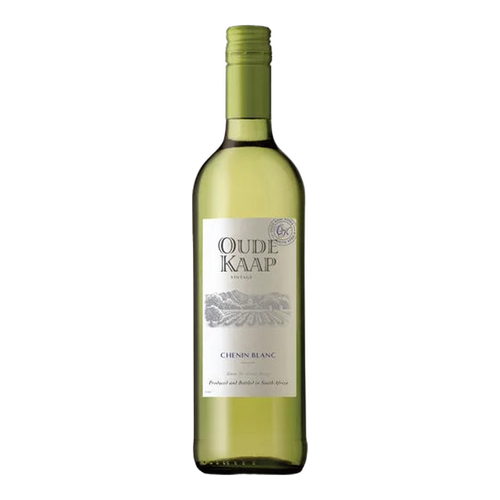
• Chenin Blanc – standard-bearer, both fresh and wood-matured
• Sauvignon Blanc – lively, aromatic, coastal style
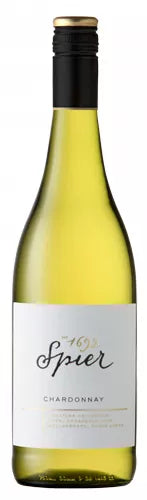
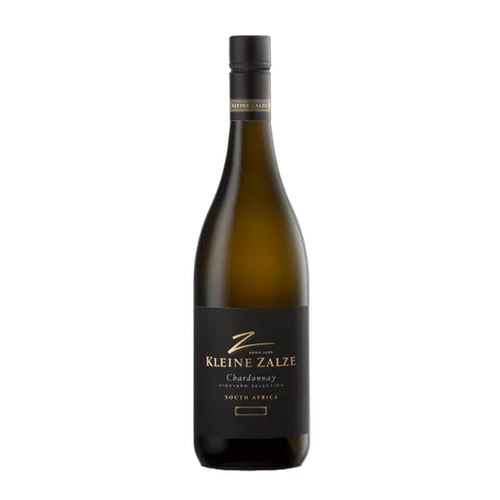
• Chardonnay – cool minerally in Walker Bay, fuller in Stellenbosch
• Semillon – especially in Franschhoek, often from old vines
Sparkling wine – Méthode Cap Classique (MCC)
The Western Cape ranks among the world's top producers of traditional method sparkling wine.
• Pinot Noir and Chardonnay
• Fine mousse, citrus, brioche and elegance
Why are Western Cape wines so diverse? Because the region boasts both cool coastal microclimates and warm inland zones, combined with ancient soils and significant elevation changes.
Storage and serving
• Cabernet & Bordeaux blends: 8–15 years
• Syrah: 5–10 years
• Pinotage: 4–8 years
• Chenin Blanc: 3–6 years (top cuvées longer)
• Chardonnay: 3–5 years
• Sauvignon Blanc: 1–3 years
• MCC: 2–5 years
Serving temperatures (more on that here ):
• Red: 16–18 degrees
• White: 8–11 degrees
• MCC: 6–8 degrees
Buy Western Cape wine at Perfectewijn.nl
At Perfecte Wijn, you'll find a wide selection of Western Cape wines: powerful Stellenbosch blends, elegant Franschhoek whites, terroir-driven Swartland cuvées, and refined MCC. This region offers an exceptional blend of quality, character, and modern Cape finesse, perfect for wine lovers curious about the diversity of South Africa.
Veelgestelde vragen
What makes the Western Cape so important for South African wine?
It encompasses virtually all the leading wine regions and offers enormous terroir diversity.
Which grape is most important in Western Cape?
Chenin Blanc for white wine, Cabernet Sauvignon and Pinotage for red.
Are Western Cape wines New World or Old World in style?
They combine New World ripeness with Old World structure and refinement.
What are the best regions within Western Cape?
Stellenbosch, Franschhoek, Swartland, Walker Bay and Constantia.
Is the Western Cape suitable for sparkling wine?
Yes, MCC from this region is among the best outside of Champagne thanks to cool coastal influences.


