
Swartland
Swartland is a wine region north of Cape Town, known for its dry climate, granite soils, and old, undrained vineyards. The wines have a distinctive style: intense, characterful, and highly structured. The region is at the heart of South Africa 's "New Wave" movement, where winemakers use natural yeasts, minimal intervention, and a focus on terroir to create authentic wines.
8 products


Order now, shipped tomorrow Shipped tomorrow
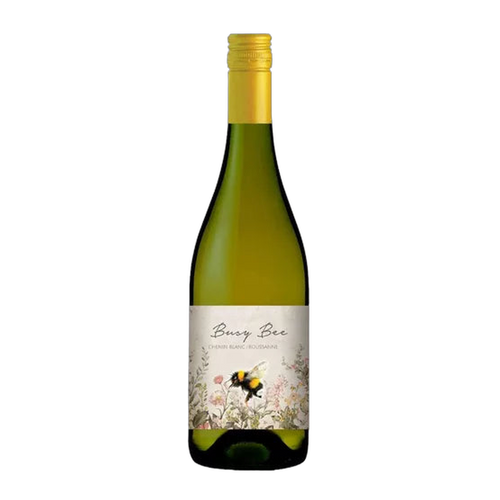
Shipment within approx. 2 business days. Shipment within approx. 2 business days.

Order now, shipped tomorrow Shipped tomorrow


Order now, shipped tomorrow Shipped tomorrow

Shipment within approx. 2 business days. Shipment within approx. 2 business days.


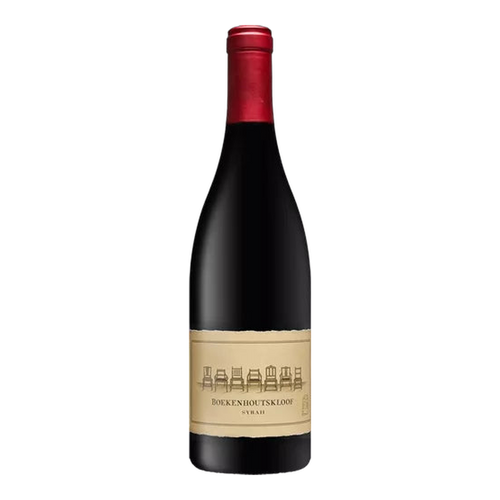
Order now, shipped tomorrow Shipped tomorrow


Order now, shipped tomorrow Shipped tomorrow

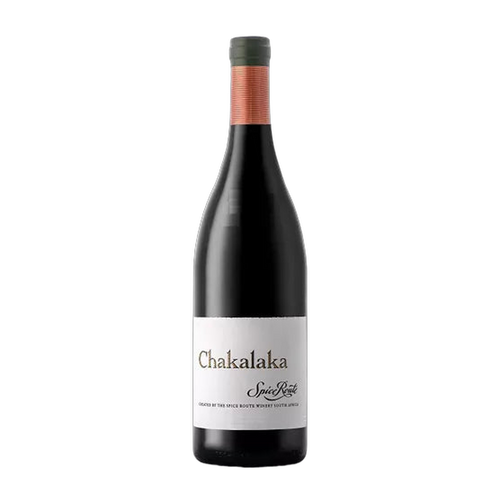
Order now, shipped tomorrow Shipped tomorrow
Swartland is a wine region north of Cape Town, known for its dry climate, granite soils, and old, undrained vineyards. The wines have a distinctive style: intense, characterful, and highly structured. The region is at the heart of South Africa 's "New Wave" movement, where winemakers use natural yeasts, minimal intervention, and a focus on terroir to create authentic wines.
Origin and vineyards
The Swartland region encompasses Malmesbury, Riebeek Castle, and Paardeberg. The landscape features rolling hills, ancient bush vines, and granite and schist deposits that significantly influence the style of the wines.
Key terroir characteristics:
- Granite, schist and sandstone – provide depth, structure and minerality
- Warm, dry climate – low yields and concentrated grapes
- Old bush vines (sometimes 40–80 years old) – intensity and complexity
- Cool night breeze – retains acidity and aromatic freshness
Swartland is less “cultivated” than Stellenbosch or Franschhoek , but it is precisely this ruggedness that gives the region its character.
Styles and vinification
Red wine
Swartland is famous for its characterful red wines.
Main red grapes:
- Syrah (Shiraz) – peppery, dark fruit, structure
- Grenache – elegant red fruit, spicy, often very expressive
- Cinsault – light, refined, old-vine style
- Mediterranean blends – combination of Rhône varieties for depth and warmth
Syrah from Swartland often has a pronounced pepperiness and structure, similar to the northern Rhône style but with a Cape sun.
White wine
Swartland produces some of South Africa's finest Chenin Blanc wines.
Main white grapes:
- Chenin Blanc – often from old bush vines; rich, mineral, complex
- Grenache Blanc – aromatic and full
- Mediterranean blends (white blends) – Chenin, Roussanne, Marsanne, Viognier
Many of these white wines are aged in large barrels or foudres for a subtle, natural structure.
Vinification and “New Wave” philosophy
The region is known for winemakers who work with:
• Wild yeasts
• Minimal intervention
• Low sulfite values
• Old barrels and cement
• Plot selections
• Non-irrigated vineyards
Why are Swartland wines so full of character? Because many grapes come from old, unirrigated bush vines on granite and schist soils, which ensures deep concentration and pure terroir expression.
Storage and serving
• Syrah & Mediterranean blends: 6–12 years
• Grenache red: 4–8 years
• Chenin Blanc: 3–7 years (top cuvées longer)
• White blends: 4–8 years
Serving temperatures :
• Red wines: 16–18 degrees
• White wines: 9–11 degrees
Buy Swartland wine at Perfectewijn.nl
At Perfecte Wijn, you'll find Swartland wines with true terroir identity: powerful Syrah, refined Grenache, old-vine Chenin Blanc, and characterful blends. These wines are ideal for enthusiasts seeking pure, authentic wines with depth and a modern Cape style.
Veelgestelde vragen
What is Swartland most known for?
For old-vine Chenin Blanc, characterful Syrah and terroir-driven blends.
Why are Swartland wines often called “New Wave”?
Because many winemakers work with natural yeasts and minimal intervention to achieve pure expression.
Are the wines from Swartland powerful or elegant?
Both: they combine Cape ripeness with structure and minerality, depending on the grape and plot.
What makes the Swartland soil so suitable for wine?
The presence of granite, schist and sandstone gives wines tension and depth.
Is Swartland primarily a red wine region?
Red dominates, but the white wines, especially Chenin Blanc, are among the best in South Africa.


