
Médoc
The Médoc is one of Bordeaux 's most important wine regions and the heart of the famous Left Bank style. Stretching along the Gironde estuary, the area is world-renowned for red wines dominated by Cabernet Sauvignon . The combination of deep, gravelly soils, maritime influence, and centuries-old winemaking traditions makes the Médoc a region where power, elegance, and structure come together perfectly.
36 products


Regular
€159,50
Order now, shipped tomorrow Shipped tomorrow


Order now, shipped tomorrow Shipped tomorrow


Order now, shipped tomorrow Shipped tomorrow
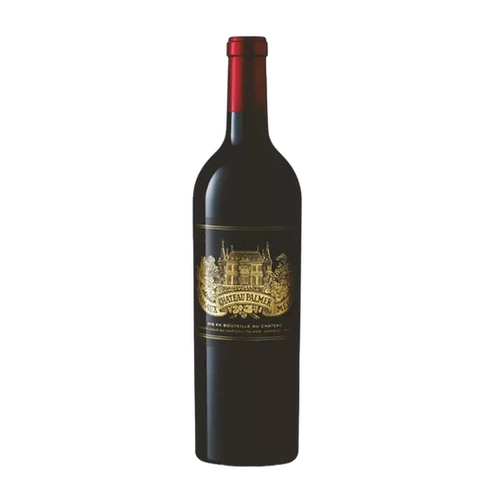
Order now, shipped tomorrow Shipped tomorrow

Order now, shipped tomorrow Shipped tomorrow


Shipment within approx. 2 business days. Shipment within approx. 2 business days.


Shipment within approx. 2 business days. Shipment within approx. 2 business days.


Shipment within approx. 2 business days. Shipment within approx. 2 business days.

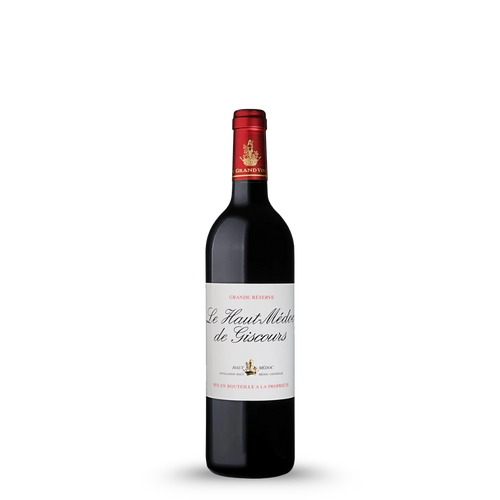
Shipment within approx. 2 business days. Shipment within approx. 2 business days.

Order now, shipped tomorrow Shipped tomorrow
The Médoc is one of Bordeaux 's most important wine regions and the heart of the famous Left Bank style. Stretching along the Gironde estuary, the area is world-renowned for red wines dominated by Cabernet Sauvignon . The combination of deep, gravelly soils, maritime influence, and centuries-old winemaking traditions makes the Médoc a region where power, elegance, and structure come together perfectly.
What is Médoc wine?
Médoc wine is a red wine from the Médoc Peninsula in Bordeaux. The wines are primarily made from Cabernet Sauvignon, Merlot, Cabernet Franc, and Petit Verdot. Each appellation within the Médoc—from Saint-Estèphe to Margaux—has its own distinct character, but the red wines share a recognizable style: blackcurrant, cedar, graphite, fine tannins, and impressive aging potential. The Médoc encompasses both prestigious crus and accessible wines with classic Bordeaux elegance.
Origin and vineyards
The Médoc region extends north of Bordeaux city and extends to the Atlantic coast. The region is fed by the Gironde Estuary, which regulates heat and helps prevent frost.
Key characteristics of the terroir:
- Deep pebble and gravel soils – warm up quickly and are perfect for Cabernet Sauvignon.
- Clay packs deeper in the subsoil provide structure and water retention, ideal for Merlot.
- Maritime influence – brings coolness, stability and a long growth cycle.
- Croupes (gravel hills) – small raised areas where many top châteaux are located due to optimal drainage and exposure.
Important appellations within the Médoc are:
• Haut-Médoc
• Saint-Estèphe
• Pauillac
• Saint-Julien
• Margaux
• Listrac-Médoc
• Moulis-en-Médoc
This mosaic of terroirs produces styles that range from powerful and robust to silky and aromatically refined.
Styles and vinification
The Médoc produces almost exclusively red wine. The wines are usually blended as a classic Bordeaux blend with Cabernet Sauvignon as the base.
Red Médoc
Stylistic features
• Black fruit such as cassis and blackberry
• Cedarwood, tobacco, graphite and sometimes violets
• Firm but ripe tannins
• Great depth and length
• Excellent storage potential
Vinification
• Plot selection and manual harvesting at top châteaux
• Skin maceration for concentration and structure
• Maturation in French oak barriques (often 40–100% new wood for premium wines)
• Blend of Cabernet Sauvignon, Merlot, Cabernet Franc and Petit Verdot
• Long bottle maturation for development and complexity
Differences per sub-region briefly explained
• Saint-Estèphe – firm, powerful, robust tannins
• Pauillac – intense, cassis-driven, aristocratic structure
• Saint-Julien – perfect balance and harmony
• Margaux – elegant, floral aromas, silky tannins
• Haut-Médoc – wide variety, often excellent value for money
Storage and serving
Médoc wines are among the most ageing-potent wines from Bordeaux.
• Accessible Haut-Médoc: 5–10 years
• Classed Growths: 12–25 years
• Top châteaux: 30+ years, depending on vintage
Serving temperature: 17–18 degrees.
Decanting young wines (1–3 hours) helps soften tannins and open up aromas.
Buy Médoc at Perfectewijn.nl
At Perfecte Wijn, you'll find Médoc wines from all the major appellations: from elegant Margaux to powerful Saint-Estèphe and harmonious Saint-Julien. Each wine is selected for its balance, structure, and the characteristic Left Bank signature for which the Médoc is famous.
Veelgestelde vragen
What is Médoc mainly known for?
Haut-Médoc is located further south and includes several prestigious village appellations such as Margaux and Saint-Julien.
Which grape plays the leading role in Médoc wines?
Cabernet Sauvignon usually forms the base, supplemented with Merlot, Cabernet Franc and Petit Verdot.
Can you drink Médoc young?
Due to the reputation of top châteaux, limited production, exceptional terroir and great ageing potential.


