
Margaux
Margaux is one of the most refined and elegant appellations of the Médoc in Bordeaux . The region is known for silky, aromatic red wines with floral notes, freshness, and a nearly weightless structure. Thanks to the light, fine gravel soils and the influence of the Gironde estuary, Margaux produces wines with a unique combination of delicacy, length, and class.
9 products

Order now, shipped tomorrow Shipped tomorrow


Order now, shipped tomorrow Shipped tomorrow

Shipment within approx. 2 business days. Shipment within approx. 2 business days.

Order now, shipped tomorrow Shipped tomorrow

Order now, shipped tomorrow Shipped tomorrow

Shipment within approx. 2 business days. Shipment within approx. 2 business days.


Order now, shipped tomorrow Shipped tomorrow
Order now, shipped tomorrow Shipped tomorrow

Shipment within approx. 2 business days. Shipment within approx. 2 business days.
Margaux is one of the most refined and elegant appellations of the Médoc in Bordeaux . The region is known for silky, aromatic red wines with floral notes, freshness, and a nearly weightless structure. Thanks to the light, fine gravel soils and the influence of the Gironde estuary, Margaux produces wines with a unique combination of delicacy, length, and class.
What is Margaux wine?
Margaux wine is a red wine from the Margaux AOC, made from classic Bordeaux grapes such as Cabernet Sauvignon, Merlot, Cabernet Franc, and Petit Verdot. The style is characterized by elegance, aromatic refinement, red berries, violets, subtle spices, and soft, silky tannins. Margaux is the most graceful of all the Left Bank appellations and has built a reputation for wines that are both accessible and long-lasting.
Origin and vineyards
Margaux is located in the southern part of the Médoc, south of Pauillac and Saint-Julien. The area benefits from an exceptional variety of light, well-draining soils that, thanks to the proximity of the Gironde Estuary, remain warm and ensure optimal ripening.
Key terroir characteristics:
• Fine pebble and gravel soils – warm up quickly, producing Cabernet Sauvignon with perfectly ripe fruit and elegant tannins.
• Alluvial deposits – bring lightness and finesse to the taste.
• Maritime influence – cooling and stability provide balance and fresh acidity.
• Many microterroirs – large differences per plot create complexity in assemblages.
Margaux is one of the most extensive appellations in the Médoc, with over twenty classified crus from the famous 1855 classification, including the prestigious Château Margaux.
Styles and vinification
Margaux produces exclusively red wine, but has a wide range of styles within that category due to differences in terroir, plot selection and vinification.
Stylistic features of Margaux
• Red cherry, cassis, currant
• Floral notes such as violets and rose petals
• Elegant spices, cedar and subtle tobacco notes
• Silky tannins
• Long, refined finish
• Aromas that often show refinement rather than strength
Vinification
• Selective harvesting, often completely by hand
• Temperature-controlled fermentation for purity
• Long maceration for finesse and precision, not for brute force
• Maturation in French oak barriques (30–100% new wood for top wines)
• Blend with a focus on Cabernet Sauvignon as the backbone
Reputation and icons
Margaux is home to several Grand Cru Classé châteaux, including:
• Château Margaux (Premier Grand Cru Classé)
• Brane-Cantenac
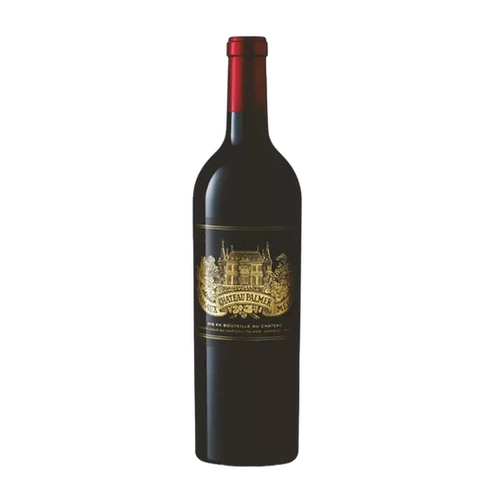
• Palmer
• Rauzan-Ségla
• Giscourse
• Dauzac
These châteaux give the appellation its aristocratic reputation.
Storage and serving
Margaux wines have an elegant yet powerful development potential.
• Accessible Margaux & second wines: 5–10 years
• Classed Growths: 12–25 years
• Top wines such as Château Margaux: 30–40+ years, depending on vintage
Serving temperature: 17–18 degrees.
Young wines benefit from 1–2 hours of decanting to allow their aromatic finesse to express itself to the full.
Buy Margaux at Perfectewijn.nl
At Perfecte Wijn, you'll find Margaux wines that capture the essence of the appellation: refinement, floral elegance, red cherry notes, and silky tannins. From charming second wines to iconic Grand Cru Classé bottles, each wine is carefully selected for its balance and terroir.
Veelgestelde vragen
What makes Margaux different from other Médoc appellations?
Margaux is known for its elegant, floral, and refined style, while areas like Pauillac are more powerful and structured.
Which grapes are used in Margaux?
Cabernet Sauvignon forms the base, supplemented with Merlot, Cabernet Franc and Petit Verdot.
Is Margaux suitable for storing?
Yes, especially Grand Cru Classé wines can age for 20 to 40 years, depending on the producer and vintage.
Can you drink Margaux young?
Yes, but decanting helps to fully open up the aromatic finesse and texture.
Why are Margaux wines often expensive?
Because of the exceptional terroir, the reputation of top châteaux and the high demand for elegant, classic Bordeaux wines.


