
Montalcino
Montalcino is one of Italy's most respected wine regions. This medieval town, perched on a high hill south of Siena, is renowned for its rich, structured Sangiovese Grosso red wines. Thanks to the wide range of altitudes, warm Mediterranean days, and cool nights, wines are created with intensity, depth, and a remarkable freshness. Besides the iconic Brunello , Montalcino also produces Rosso di Montalcino, IGT wines, and a small number of white wines, each with its own distinct character and expression.
Montalcino is one of Italy's most respected wine regions.
Read moreMontalcino
21 products

Shipment within approx. 2 business days.
Ordered before 16:00, shipped the same business day!

Shipment within approx. 2 business days.


Ordered before 16:00, shipped the same business day!
Ordered before 16:00, shipped the same business day!

Shipment within approx. 2 business days.
Ordered before 16:00, shipped the same business day!
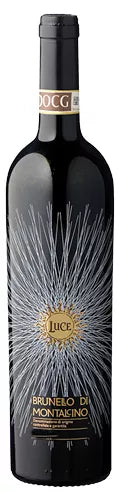
Shipment within approx. 2 business days.

Shipment within approx. 2 business days.


Ordered before 16:00, shipped the same business day!

Shipment within approx. 2 business days.
What is Montalcino wine?
Montalcino wine comes from the DOC and DOCG area around Montalcino in Tuscany. The region produces several styles:
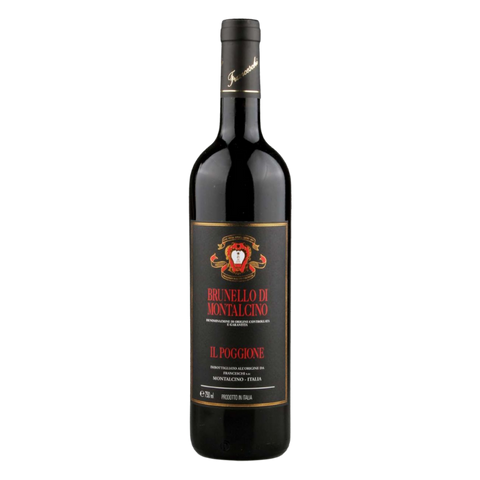
• Brunello di Montalcino DOCG – powerful red wine made from 100% Sangiovese Grosso with long maturation.
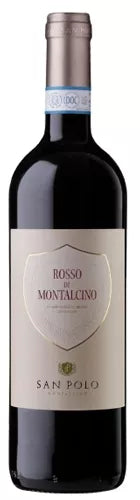
• Rosso di Montalcino DOC – the more accessible, fruitier variant of 100% Sangiovese.
• Montalcino IGT – modern blends and wines with international grapes.
• White Montalcino wines – rarer, often from local and international varieties.
The dominant grape is Sangiovese Grosso, also known locally as "Brunello." The style ranges from elegant and fresh in the higher elevations to full-bodied and powerful on the warmer southern slopes.
Origin and vineyards
Montalcino covers a large hilly area with elevation changes ranging from 120 to over 600 meters. This diversity largely determines the character of the wines.
Key Features:
- Altitude – Higher vineyards (north and northeast) produce more elegant, fresher wines; lower, warmer zones (south and southwest) yield more power and ripe fruit.
- Soil – a mixture of galestro, limestone, sand, clay, and fossil marine deposits that provide complexity.
- Climate – Warm Mediterranean influence, but cooled by the proximity of Monte Amiata and a constant wind.
- Solar exposure – southern slopes are more vigorous; northern slopes more refined and cooler.
This combination makes Montalcino one of the most versatile terroirs of Tuscany .
Styles and vinification
Brunello di Montalcino (DOCG)
Brunello is the flagship of Montalcino, always 100% Sangiovese Grosso.
Vinification and style
• Strict selection of grapes
• Longer skin maceration for color and tannins
• Maturation in large Slavonian oak or French oak (barriques/tonneaux)
• Aromas of cherry, plum, balsamic, herbs, earth and sometimes leather
• Structure, length and great storage potential
Maturation requirements
• Minimum 5 years of maturation, of which 2 years in wood and 4 months in bottle
• Riserva: minimum 6 years of maturation
Red of Montalcino (DOC)
The younger, fruitier and more accessible brother of Brunello.
• Also 100% Sangiovese
• Shorter maturation, often in stainless steel or large wood
• Red cherry, fresher acids, smoother tannins
• Perfect as an early drinking style with serious quality
Montalcino IGT
IGT wines offer producers creative freedom.
• Often blends of Sangiovese with Cabernet Sauvignon , Merlot , Syrah or other international varieties
• Modern, rich and sometimes more powerful than Rosso
• Use of barriques for a fuller, more mature style
White wines from Montalcino
Although a small part of the production, white IGT wines are also made:
• Usually Chardonnay , Vermentino or Sauvignon Blanc
• Style varies from fresh and aromatic to subtly wood-matured
• Often from cooler, higher-lying plots
This category is less known, but is growing due to increasing focus on quality.
Storage and serving
Brunello
• Basic: 10–20 years
• Riserva: 20–30 years or more
• Serve at 17–18 degrees
• Decanting: 1–3 hours for young wines
Red of Montalcino
• 3–6 years
• Serve at 16–18 degrees
Montalcino IGT
• 4–10 years depending on grapes and style
• Serve at 16–18 degrees
White Montalcino wines
• 2–5 years
• Serve at 8–10 degrees
Buy Montalcino at Perfectewijn.nl
At Perfecte Wijn, you'll find a wide selection of Montalcino wines: from robust, long-lived Brunellos and elegant Rosso styles to modern IGT blends and surprising white varieties. Each bottle is selected for authenticity, terroir, and quality, allowing you to discover both classic and modern expressions of Montalcino.
Frequently Asked Questions
What is the difference between Brunello and Rosso di Montalcino?
Brunello is aged for at least five years and is more powerful and complex, while Rosso is aged for a shorter period and is fresher and fruitier.
Is all Montalcino from Sangiovese?
Brunello and Rosso are allowed, but IGT wines may also contain international grapes.
Why is Brunello often more expensive?
Due to strict selection, low yields, long maturation and the prestige of the DOCG.
Are there good white wines from Montalcino?
Yes, especially IGT wines based on Chardonnay, Vermentino, or Sauvignon Blanc from cooler plots.
How long can Brunello be kept?
10–20 years or longer; Riservas even 30 years plus.


