
Tuscan wines
Tuscany is one of Italy's most famous wine regions and enjoys a global reputation thanks to wines like Chianti , Brunello di Montalcino , Bolgheri , and Vernaccia di San Gimignano. The region combines age-old traditions with modern viticulture, ranging from juicy Sangiovese to rich dessert wines like Vin Santo and elegant sparkling wines. Tuscany offers a full range of wine styles with a character that always remains recognizably Tuscan: vibrant acidity, ripe fruit, and a pure regional signature.
128 products

Order now, shipped tomorrow Shipped tomorrow
Order now, shipped tomorrow Shipped tomorrow

Order now, shipped tomorrow Shipped tomorrow


Order now, shipped tomorrow Shipped tomorrow


Order now, shipped tomorrow Shipped tomorrow

Order now, shipped tomorrow Shipped tomorrow

Shipment within approx. 2 business days. Shipment within approx. 2 business days.

Order now, shipped tomorrow Shipped tomorrow

Order now, shipped tomorrow Shipped tomorrow


Regular
€54,29
Order now, shipped tomorrow Shipped tomorrow

Order now, shipped tomorrow Shipped tomorrow

Order now, shipped tomorrow Shipped tomorrow

Shipment within approx. 2 business days. Shipment within approx. 2 business days.

Order now, shipped tomorrow Shipped tomorrow

Order now, shipped tomorrow Shipped tomorrow


Order now, shipped tomorrow Shipped tomorrow
Order now, shipped tomorrow Shipped tomorrow

Order now, shipped tomorrow Shipped tomorrow
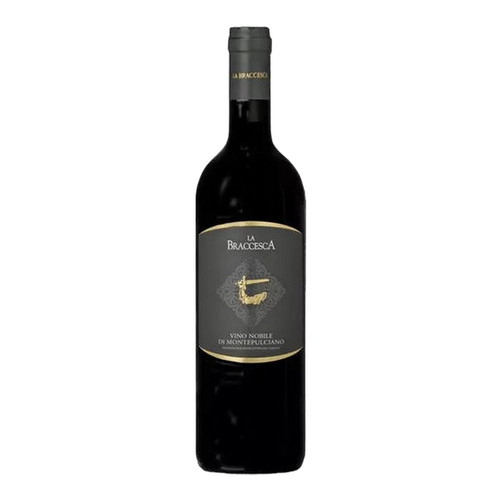
Order now, shipped tomorrow Shipped tomorrow
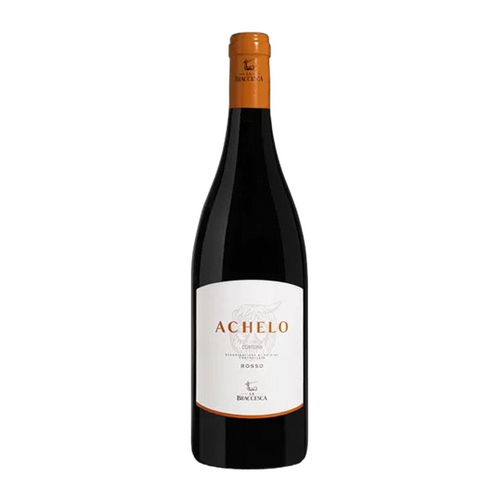

Order now, shipped tomorrow Shipped tomorrow

Shipment within approx. 2 business days. Shipment within approx. 2 business days.

Shipment within approx. 2 business days. Shipment within approx. 2 business days.

Shipment within approx. 2 business days. Shipment within approx. 2 business days.
Tuscany is one of Italy's most famous wine regions and enjoys a global reputation thanks to wines like Chianti , Brunello di Montalcino , Bolgheri , and Vernaccia di San Gimignano. The region combines age-old traditions with modern viticulture, ranging from juicy Sangiovese to rich dessert wines like Vin Santo and elegant sparkling wines. Tuscany offers a full range of wine styles with a character that always remains recognizably Tuscan: vibrant acidity, ripe fruit, and a pure regional signature.
What are Tuscan wines?
Tuscan wines are wines produced in Tuscany, primarily from grapes such as Sangiovese, Trebbiano Toscano, Vermentino , Cabernet Sauvignon , and Merlot . The region is especially famous for its Sangiovese-based red wines, including Chianti, Brunello, and Vino Nobile di Montepulciano . Tuscany also produces high-quality white wines, lighter rosés, prestigious Super Tuscans, and traditional dessert wines such as Vin Santo.
Origin and vineyards
Tuscany lies on the Tyrrhenian coast and features rolling hills, ancient villages, and a blend of maritime influences and warm Mediterranean days. The cool nights provide structure and crisp acidity—essential elements in virtually every Tuscan wine.
Important wine regions within Tuscany are:
- Chianti and specifically Chianti Classico – the heart of Sangiovese, ranging from fresh and fruity to powerful and structured.
- Montalcino – famous for Brunello di Montalcino, one of the most prestigious Sangiovese wines in the world.
- Montepulciano – known for Vino Nobile di Montepulciano with its elegant structure.
- Bolgheri – home of Super Tuscans, powerful blends of Cabernet Sauvignon, Merlot, and Syrah. The region that adopted the Bordeaux blend.
- San Gimignano – producer of Vernaccia, one of Italy's most important DOCG white wines.
- Maremma – a modern coastal region with aromatic white wines and juicy red blends.
The mix of chalky soils, sand, clay and maritime influences explains the diversity in style and character of Tuscan wines.
Styles and vinification
Tuscany produces red, white, dessert and sparkling wines, each with its own identity and tradition.
Red wines
Red is the dominant style in Tuscany and is mainly made from Sangiovese.
- Sangiovese – lively acidity, red cherry, floral notes and structure.
- Chianti – smooth and fresh with elegant fruit and spice.
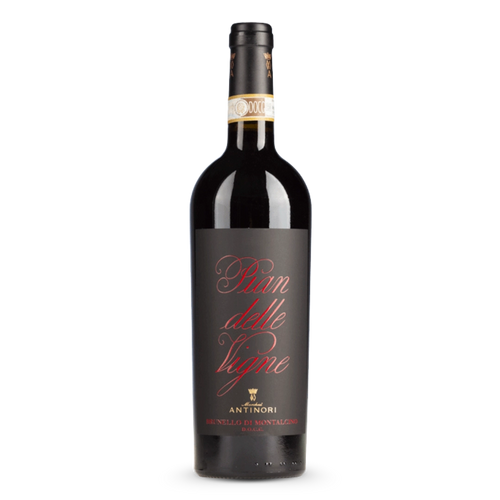
- Brunello di Montalcino – powerful, complex, and long-lasting. Always 100% Sangiovese.
- Vino Nobile di Montepulciano – refined and balanced.
- Super Tuscans – modern blends of international grapes with depth and maturation in French oak.
White wines
Tuscany is primarily known for red wine, but also produces quality white styles.
- Vernaccia di San Gimignano – fresh, mineral and elegant.
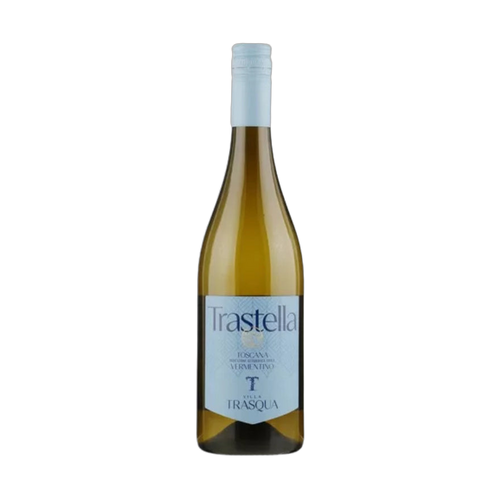
- Vermentino – aromatic and Mediterranean with citrus and spiciness.
- Trebbiano Toscano – neutral and fresh, often used in blends.
Dessert wines
Tuscany has one of Italy's most famous sweet wines.
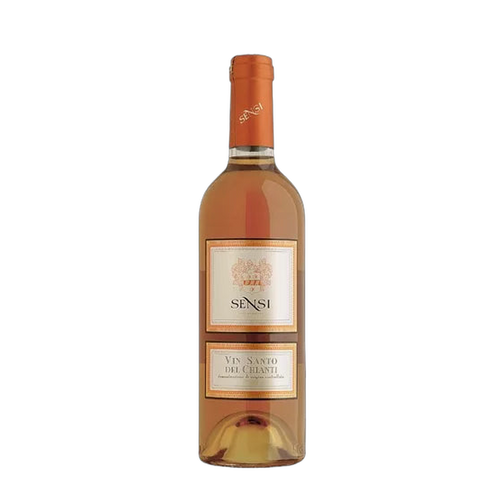
- Vin Santo – made from dried grapes (appassimento), rich and nutty with honey and caramel notes. This wine is traditionally aged for years in small wooden barrels.
Sparkling wines
Although less well known than Prosecco or Franciacorta , Tuscany is increasingly producing elegant bubbles.
-
Metodo Classico bubbles – made using the traditional method, often from Trebbiano, Chardonnay or Sangiovese.
These wines show fresh acidity and a fine mousse.
Storage and serving
The ageing time depends on the style. Lighter Chiantis should be enjoyed within five years. Chianti Classico Riserva, Vino Nobile, and Brunello have an aging potential of ten to thirty years. Super Tuscans can also age for extended periods thanks to concentration and oak aging. White Tuscan wines should be enjoyed young, within two to four years. Vin Santo can last for decades. Sparkling Tuscan wines are best enjoyed within three to five years.
Serve red Tuscan wines at 16–18 degrees, white at 8–10 degrees and sparkling at 6–8 degrees.
Buy Tuscan wines at Perfectewijn.nl
At Perfecte Wijn, you'll find Tuscan wines from all the major DOC and DOCG regions: from powerful Brunello and modern Super Tuscans to fresh Vermentino and traditional Vin Santo. Each wine is carefully selected for its style, character, and regional typicity.
Veelgestelde vragen
What is Tuscany known for?
It is a Tuscan quality wine that uses international grapes such as Cabernet Sauvignon or Merlot, often aged in French oak.
What is the difference between Chianti and Chianti Classico?
Chianti is a broad area, while Chianti Classico is the historic heart with stricter rules and often higher quality.
Which white wine comes from Tuscany?
Vernaccia di San Gimignano is the most famous white DOCG wine from the region.
How long can Brunello mature?
Brunello di Montalcino has an aging potential of ten to thirty years or more thanks to its powerful structure.


