

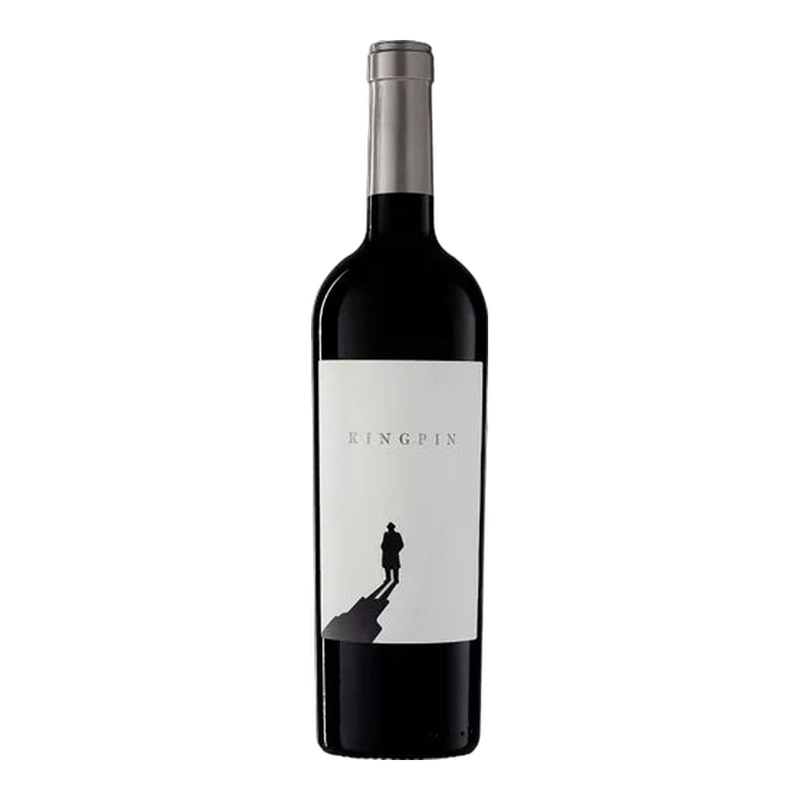


With Kingpin Tinto, Félix Solís focuses on the art of blending. Separately vinified wines come together in a full-bodied Spanish red wine in which juicy dark fruit, soft tannins, and a hint of vanilla beautifully complement one another.
Abundant sunshine and a dry inland climate characterize the origin of Kingpin.
- Location / origin: The grapes come from Castilla-La Mancha, in the central interior of Spain. The vast La Mancha wine-growing area is part of this region.
- Climate & influences: La Mancha has a distinct continental climate, with hot summers and cold winters. The region receives approximately 3,000 hours of sunshine per year, which supports the ripening of the grapes.
- Soil: Typical for La Mancha are the reddish-brown sediments and calcareous subsoil. The predominantly flat landscape is dry, with an annual rainfall of approximately 300–400 mm.
- Vineyards: Grapes from old vines are used for Kingpin.
The different batches are made separately before the final blend is determined.
- Harvest & selection: The grapes are harvested by hand so that the bunches can be handled carefully during gathering.
- Fermentation: Fermentation takes place over 10–14 days in stainless steel tanks at 26–28 °C. Contact with the skins gives the wine color, fruit expression, and structure.
- Oak aging: The wine spends 3–4 months in American oak, during which it completes malolactic fermentation. This process changes sharper malic acids into softer lactic acids, contributing to a round mouthfeel; the wood imparts a subtle hint of vanilla.
The blend unites smooth fruit with spice and structure.
- Tempranillo – Spain: Provides ripe fruit and a smooth base for the blend.
- Syrah – Spain: Adds dark fruit, spicy accents, and extra body.


