
Angelo Negro Agricultural Company
Since 1670, the Negro family has cultivated their own vineyards in the Roero and Langhe, two subregions of Piedmont with fundamentally different soils and styles. Within the Azienda Agricola Angelo Negro collection at Perfectewijn, you'll see precisely that difference: Arneis and Nebbiolo from the sandy Roero, but also Nebbiolo for Barolo from Serralunga d'Alba in the Langhe. This isn't a single-terroir producer, but a company that consciously manages and vinifies several Piedmontese regions separately.
10 products
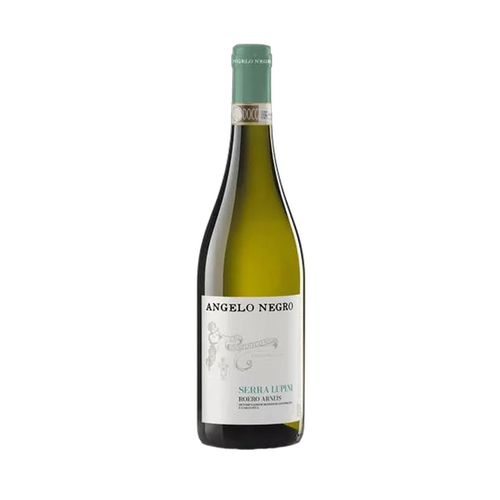
Order now, shipped tomorrow Shipped tomorrow
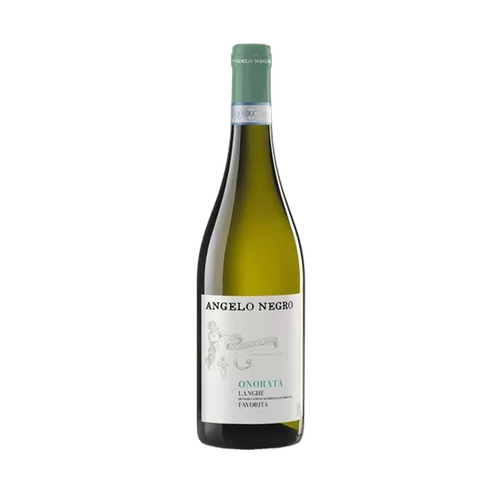
Order now, shipped tomorrow Shipped tomorrow
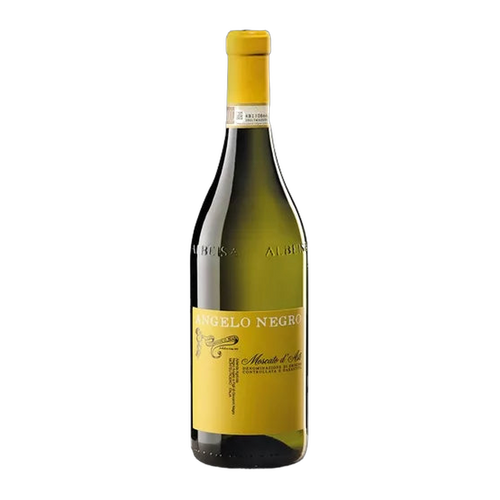
Order now, shipped tomorrow Shipped tomorrow
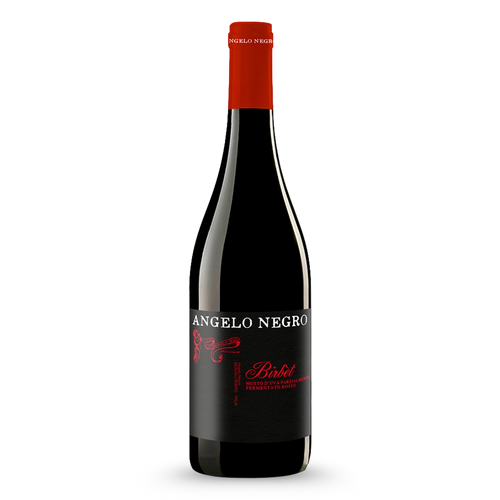
Shipment within approx. 2 business days. Shipment within approx. 2 business days.


Order now, shipped tomorrow Shipped tomorrow

Shipment within approx. 2 business days. Shipment within approx. 2 business days.

Order now, shipped tomorrow Shipped tomorrow

Order now, shipped tomorrow Shipped tomorrow

Shipment within approx. 2 business days. Shipment within approx. 2 business days.

Shipment within approx. 2 business days. Shipment within approx. 2 business days.
Since 1670, the Negro family has cultivated their own vineyards in the Roero and Langhe, two subregions of Piedmont with fundamentally different soils and styles. Within the Azienda Agricola Angelo Negro collection at Perfectewijn, you'll see precisely that difference: Arneis and Nebbiolo from the sandy Roero, but also Nebbiolo for Barolo from Serralunga d'Alba in the Langhe. This isn't a single-terroir producer, but a company that consciously manages and vinifies several Piedmontese regions separately.
What characterizes Azienda Agricola Angelo Negro?
The core of the estate is located in Monteu Roero, where generations of its own plots have been planted on the characteristic sandy and limestone soils of the Roero region. From this historical foundation, the family has also acquired vineyards in the Langhe region, including Serralunga d'Alba, one of the most structured zones within Barolo.
What sets the house apart is that each appellation is approached individually. Roero is not treated as an extension of Barolo, nor is Barolo as a more powerful version of Roero. Terroir is central.
Vineyards by area and appellation
The vineyards are divided over two clearly different zones within Piedmont: the Roero and the Langhe.
• Roero – Monteu Roero, Canale, Santo Stefano Roero
Soil: predominantly sandy calcareous soils with fossil deposits
Height: approximately 200–400 meters
Characteristic: high drainage, lighter soil structure
Mainly Arneis and Nebbiolo are grown here for:
-
Roero Arneis DOCG
-
Roero DOCG
The sandy soil gives Nebbiolo refinement and a slightly more accessible tannin structure than in the Langhe.
• Langhe – Serralunga d'Alba and surroundings
Soil: calcareous clay with more compactness
Elevation: variable, with steep slopes
Characteristic: more powerful structure and higher tannin concentration
Nebbiolo is grown here for:
-
Barolo DOCG
-
Langhe Nebbiolo DOC
Serralunga d'Alba is known as one of the most structured Barolo zones, with pronounced ageing potential.
• Alba zone for Barbera
Within Barbera d'Alba DOC, Barbera is grown in and around Alba.
Regulation: minimum 85% Barbera
Barbera is the grape variety here, Alba the geographical designation. This is fundamentally different from Barolo, where Nebbiolo is the mandatory grape within the DOCG.
This geographical spread means the house works with both sandy and clay-rich terroirs, which directly influences the structure and ripening capacity.
Grapes and origin-oriented work
Within the collection, three grapes play the leading role:
Arneis
Roero's white specialty. Roero Arneis DOCG uses only Arneis. The sandy soils lend tension and precision.
Nebbiolo
Used for Roero DOCG, Langhe Nebbiolo DOC, and Barolo DOCG. Expression varies greatly by region. Slightly more refined in Roero, more powerful and richer in tannins in Serralunga d'Alba.
Barbara
The most important grape within Barbera d'Alba DOC. Known for its natural acidity and structure, but completely different in style from Nebbiolo.
What's the difference between Roero Nebbiolo and Barolo? Both are made from Nebbiolo, but Roero grows on sandy soils and often produces slightly more accessible textures, while Barolo from Serralunga d'Alba comes from chalky clay soil and generally has more tannin and aging potential.
Vinification and maturation
Winemaking is appellation-specific and not a uniform approach:
- Arneis is primarily fermented in stainless steel to retain freshness.
- Nebbiolo for Roero is aged on the skins and in accordance with the minimum DOCG requirements, partly in wood.
- Barolo from Serralunga d'Alba undergoes extended aging according to DOCG regulations, with mandatory wood aging and a longer total aging period.
- Barbera d'Alba can be partially aged in wood depending on the cuvée, but always retains the characteristic freshness of the grape.
The cellar supports the terroir, not the other way around.
Buy Azienda Agricola Angelo Negro at Perfectewijn
At Perfectewijn, you'll find a selection that showcases the full breadth of Azienda Agricola Angelo Negro: wines from both the Roero and Langhe regions, including Barolo from Serralunga d'Alba. This allows you to discover both sandy finesse and chalky structure within a single winery. For those truly seeking to understand Piedmont through the differences in terroir, Azienda Agricola Angelo Negro is a producer who masters multiple core regions without merging their identities.
Veelgestelde vragen
Where are the vineyards of Azienda Agricola Angelo Negro located?
The vineyards are located in the Roero around Monteu Roero and Canale and in the Langhe, including Serralunga d'Alba for Barolo.
Does Azienda Agricola Angelo Negro also make Barolo?
Yes, the winery owns plots in Serralunga d'Alba and produces Barolo DOCG from 100% Nebbiolo there.
What is the difference between Barbera d'Alba and Barolo?
Barbera d'Alba is based on the Barbera grape with a minimum of 85% Barbera, while Barolo is made exclusively from Nebbiolo within the Barolo DOCG.
What is the difference between Roero and Langhe?
Roero has predominantly sandy soils which lend refinement, while the Langhe has more chalky clay soils and generally produces more powerful, tannic wines.


