
Rondinella
Rondinella is an indigenous red grape from Veneto and, along with Corvina and Molinara , forms the basis for renowned wines such as Valpolicella, Ripasso , and Amarone . The grape is known for its fresh aromas, firm structure, and exceptional suitability for the drying process used in Amarone. Although Rondinella is rarely bottled solo, it plays a crucial role in the expression and balance of some of Northern Italy's most beloved wines.
Rondinella is an indigenous red grape from Veneto and, along with Corvina and Molinara , forms the basis for renowned wines such as Valpolicella, Ripasso , and Amarone .
Read moreRondinella
103 products

Ordered before 16:00, shipped the same business day!

Ordered before 16:00, shipped the same business day!

Ordered before 16:00, shipped the same business day!


Shipment within approx. 2 business days.

Shipment within approx. 2 business days.

Shipment within approx. 2 business days.

Ordered before 16:00, shipped the same business day!

Unfortunately this item is currently unavailable.

Ordered before 16:00, shipped the same business day!

Ordered before 16:00, shipped the same business day!

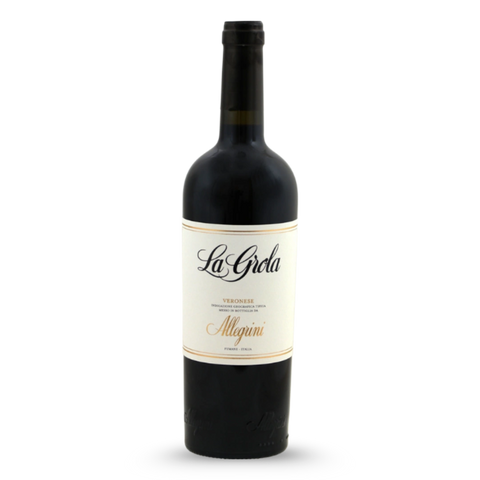
Ordered before 16:00, shipped the same business day!

Ordered before 16:00, shipped the same business day!
What is Rondinella?
Rondinella is a traditional grape from the hills surrounding Verona. It is almost always used in blends and is noted for its reliability, good disease resistance, and ability to impart stable colors and fresh aromas to wine. In Ripasso and Amarone wines, Rondinella contributes concentration, structure, and a characteristic spiciness.
Origin and vineyards
Rondinella is found almost exclusively in Veneto, especially within the classic wine zones around Verona.
Major areas of origin:
- Valpolicella Classico
- Valpolicella Superiore
- Ripasso zones
- Amarone della Valpolicella
Terroir characteristics:
- Limestone and basalt soils that provide structure and tension
- A mild climate influenced by Lake Garda
- Hilly plots with excellent drainage
- Traditional pergola tying for optimal sun absorption
Rondinella is often planted next to Corvina, because the grapes complement each other perfectly in aroma and structure.
Styles and vinification
Rondinella produces wines with a bright fruit profile, pleasant acidity, and a soft spiciness. The grape is primarily used to add tension and freshness to blends.
Main styles in which Rondinella plays a role:
- Valpolicella – light, smooth and fruit-driven
- Valpolicella Superiore – more depth, subtle wood
- Ripasso – extra structure through refermentation on Amarone remains
- Amarone della Valpolicella – intense, rich, concentrated
- Recioto – sweet, lush style with dried fruit
Why Rondinella is so suitable for Amarone and Recioto:
- The grape dries evenly without rotting quickly
- The peel contains sufficient color and aromas
- The grape retains acidity during the drying process
Why is Rondinella almost always used in blends? Because the grape adds structure, color, and fresh aromas, but on its own it's often too neutral to carry a complete wine.
Storage and serving
• Valpolicella styles: 2–5 years
• Ripasso: 4–7 years
• Amarone: 8–20+ years
Serving temperature:
• 16–18 degrees for Ripasso and Amarone
• 14–16 degrees for smoother Valpolicella styles
Buy Rondinella wine at Perfectewijn.nl
At Perfecte Wijn, you'll find wines where Rondinella plays a key role, from vibrant Valpolicella to rich Ripasso and deep Amarone. Thanks to its combination of freshness, structure, and classic Valpolicella aromas, Rondinella contributes to wines that are widely loved and perfect for both everyday moments and special occasions.
Frequently Asked Questions
Where does Rondinella come from?
From Veneto, specifically the Valpolicella region around Verona.
Why is Rondinella mainly used in blends?
Because the grape offers structure, color, and fresh acidity, but is often too neutral on its own.
In which wines does Rondinella play a leading role?
Valpolicella, Ripasso, Amarone and Recioto.
What does Rondinella add to Amarone?
Stability, fresh acidity, and aromas that last well after the drying process.
Can Rondinella be stored well?
Especially in Ripasso and Amarone, the wine has excellent ageing potential.


