
Red Burgundy
Red Burgundy is all about nuance, provenance, and precision. These wines are made almost exclusively from Pinot Noir and demonstrate how powerfully terroir can shape a wine's character. Within Burgundy, style and structure vary significantly by village, vineyard, and even parcel, making red Burgundy one of the most layered wine categories in the world.
51 products
Order now, shipped tomorrow Shipped tomorrow
Order now, shipped tomorrow Shipped tomorrow
Order now, shipped tomorrow Shipped tomorrow

Shipment within approx. 2 business days. Shipment within approx. 2 business days.
Shipment within approx. 2 business days. Shipment within approx. 2 business days.
Order now, shipped tomorrow Shipped tomorrow
Order now, shipped tomorrow Shipped tomorrow


Order now, shipped tomorrow Shipped tomorrow

Shipment within approx. 2 business days. Shipment within approx. 2 business days.

Order now, shipped tomorrow Shipped tomorrow

Order now, shipped tomorrow Shipped tomorrow
Shipment within approx. 2 business days. Shipment within approx. 2 business days.
Order now, shipped tomorrow Shipped tomorrow
Shipment within approx. 2 business days. Shipment within approx. 2 business days.
Shipment within approx. 2 business days. Shipment within approx. 2 business days.
Order now, shipped tomorrow Shipped tomorrow
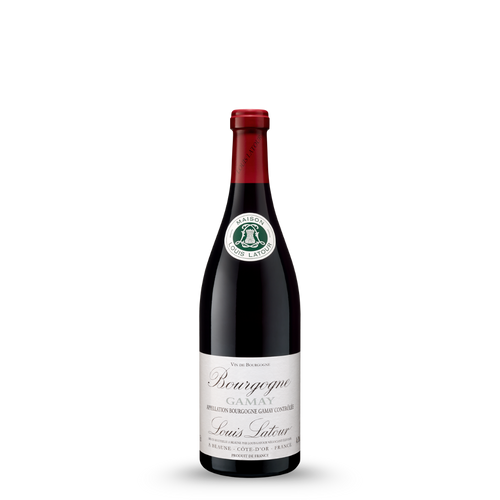
Order now, shipped tomorrow Shipped tomorrow
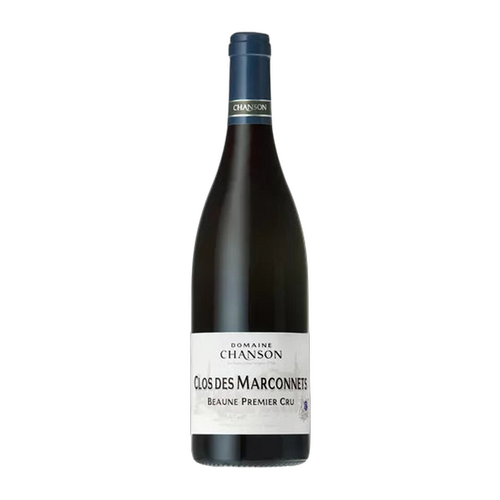
Shipment within approx. 2 business days. Shipment within approx. 2 business days.
Order now, shipped tomorrow Shipped tomorrow
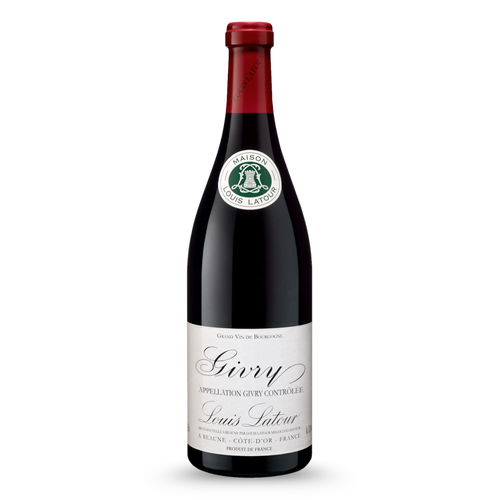
Order now, shipped tomorrow Shipped tomorrow

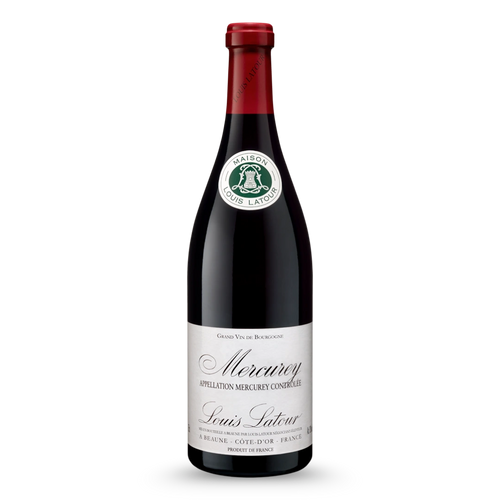
Order now, shipped tomorrow Shipped tomorrow
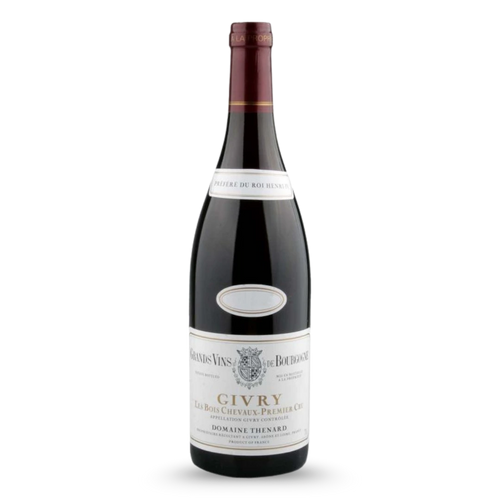
Order now, shipped tomorrow Shipped tomorrow

Order now, shipped tomorrow Shipped tomorrow
Red Burgundy is all about nuance, provenance, and precision. These wines are made almost exclusively from Pinot Noir and demonstrate how powerfully terroir can shape a wine's character. Within Burgundy, style and structure vary significantly by village, vineyard, and even parcel, making red Burgundy one of the most layered wine categories in the world.
What makes red Burgundy special?
Red Burgundy isn't a wine of strength alone, but of balance and refinement. Pinot Noir is extremely sensitive to soil, exposure, and climate, allowing each village to develop its own unique signature.
Why does red Burgundy taste so different from village to village?
Because small differences in soil and location have a direct influence on the structure, aroma and ripening capacity of Pinot Noir.
Main regions of origin within red Burgundy
Red Burgundy comes mainly from two core areas, each with its own style and reputation.
Côte de Nuits
The Côte de Nuits is considered the heart of red Burgundy. Here you'll find the most concentrated and structured Pinot Noir, often with excellent aging potential. Villages like Vosne-Romanée , Gevrey-Chambertin , and Nuits-Saint-Georges are known for depth, tension, and complexity.
The style tends to be more powerful, with more grip and length.
Côte de Beaune
In the Côte de Beaune, red wine plays a slightly more modest role than white , but villages like Pommard , Volnay , and Santenay produce distinctive red Burgundy. The style varies from refined and elegant to robust and structured, depending on the village.
Here the emphasis is often more on balance and accessibility than on pure strength.
Villages and style differences
Within red Burgundy, the villages determine the style. Some clear stylistic trends:
-
Gevrey-Chambertin
Structured and powerful, with clear backbone and maturation potential. -
Vosne-Romanée
Refined and complex, where power and elegance come together. -
Nuits-Saint-Georges
Serious and firm, with grip and tension. -
Pommard
Robust and structured, with clear depth. -
Volnay
Elegant and refined, with a focus on finesse.
These differences make red Burgundy particularly suitable for comparison and discovery.
Classifications within red Burgundy
Red Burgundy has a hierarchy that helps indicate quality and origin.
-
Red Burgundy
Regional origin, often accessible and intended to learn the style. -
Village
Coming from one village, with a clearer character and structure. -
Premier Cru
Specific vineyards within a village, with more depth and aging potential. -
Grand Cru
The absolute top, sourced from iconic plots of world fame.
This classification says something about origin and potential, but style always remains dependent on producer and plot.
Who is red Burgundy suitable for?
Red Burgundy appeals primarily to connoisseurs seeking nuance, subtlety, and development in the glass. These wines demand attention and patience, but reward with layers and complexity.
Both novice Burgundy drinkers and experienced enthusiasts will find a style within red Burgundy that suits their preference.
Red Burgundy at Perfectewijn.nl
At Perfecte Wijn, you'll find red Burgundy in various styles and origins, from accessible village wines to prestigious Premier and Grand Crus. This selection demonstrates how diverse Pinot Noir can be when provenance and craftsmanship are central.
Veelgestelde vragen
What grape is used for red Burgundy?
Almost exclusively Pinot Noir.
What is the difference between Côte de Nuits and Côte de Beaune?
Côte de Nuits is generally more powerful and structured, Côte de Beaune often more elegant.
Is red Burgundy suitable for storing?
Many wines clearly have aging potential, especially Premier and Grand Cru.
Are all red Burgundies light in style?
No, some villages actually produce robust and structured wines.
Who is red Burgundy interesting for?
For lovers of refinement, provenance and complexity.


