
Côte de Beaune
The Côte de Beaune is the heart of Burgundy , home to both great white and refined red wines. This region is renowned worldwide for its exceptional Chardonnay and elegant Pinot Noir, boasting an unparalleled diversity of styles and terroirs. From taut, mineral white wines to rich, creamy classics and refined red Burgundy , the Côte de Beaune forms the foundation of Burgundian excellence.
28 products

Order now, shipped tomorrow Shipped tomorrow

Order now, shipped tomorrow Shipped tomorrow

Order now, shipped tomorrow Shipped tomorrow

Shipment within approx. 2 business days. Shipment within approx. 2 business days.


Shipment within approx. 2 business days. Shipment within approx. 2 business days.

Order now, shipped tomorrow Shipped tomorrow
Order now, shipped tomorrow Shipped tomorrow

Order now, shipped tomorrow Shipped tomorrow
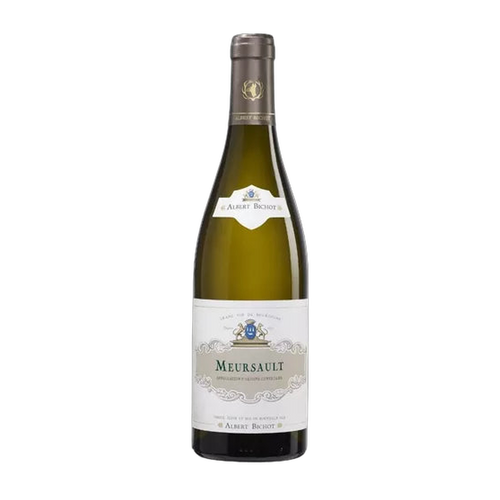
Order now, shipped tomorrow Shipped tomorrow
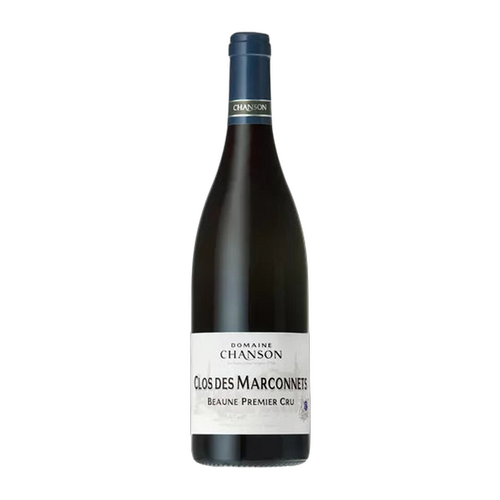
Shipment within approx. 2 business days. Shipment within approx. 2 business days.

Order now, shipped tomorrow Shipped tomorrow


Order now, shipped tomorrow Shipped tomorrow
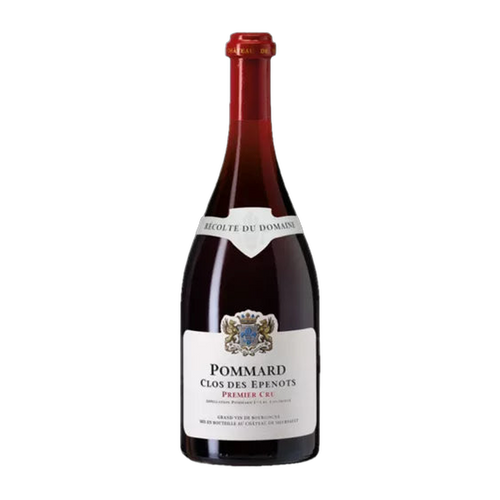
Shipment within approx. 2 business days. Shipment within approx. 2 business days.

Shipment within approx. 2 business days. Shipment within approx. 2 business days.
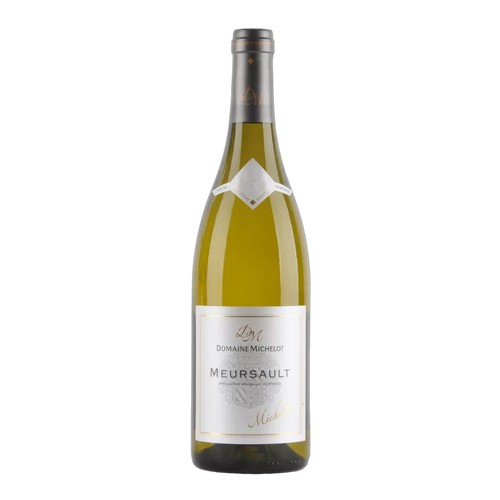
Order now, shipped tomorrow Shipped tomorrow
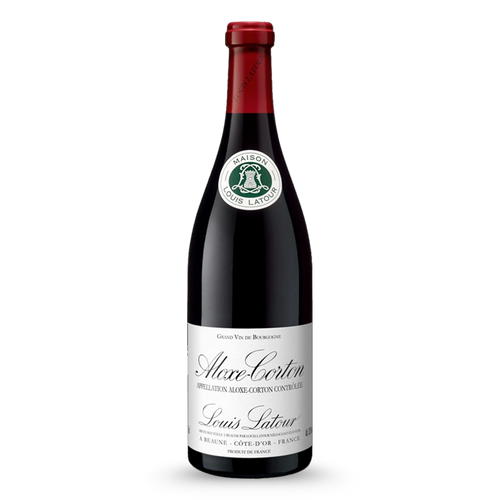
Order now, shipped tomorrow Shipped tomorrow
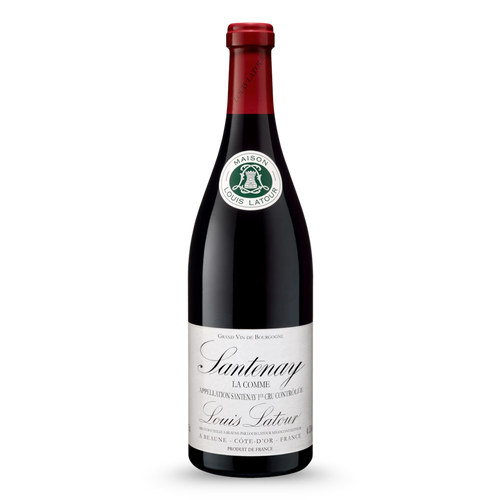

Shipment within approx. 2 business days. Shipment within approx. 2 business days.
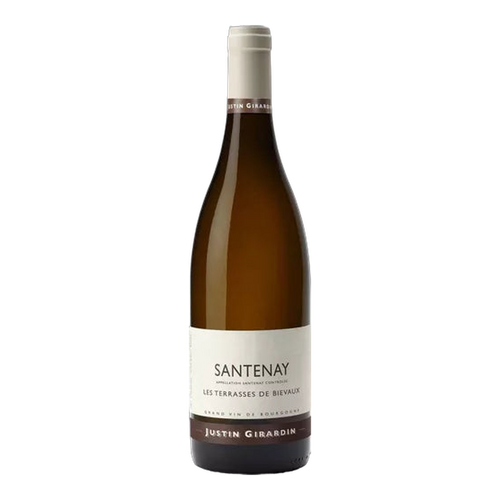
Order now, shipped tomorrow Shipped tomorrow
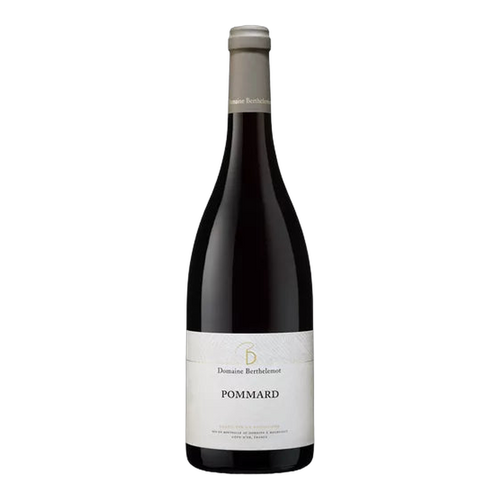
Shipment within approx. 2 business days. Shipment within approx. 2 business days.

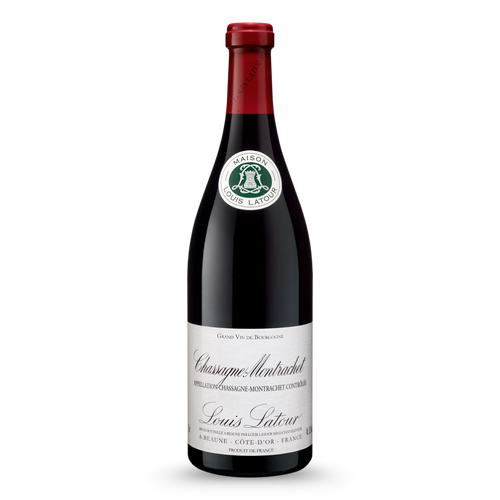
Order now, shipped tomorrow Shipped tomorrow
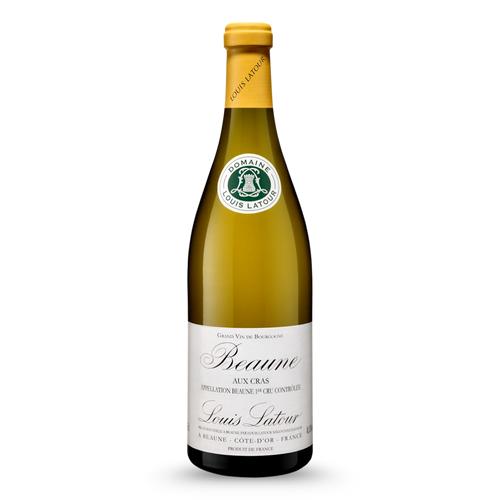
Order now, shipped tomorrow Shipped tomorrow
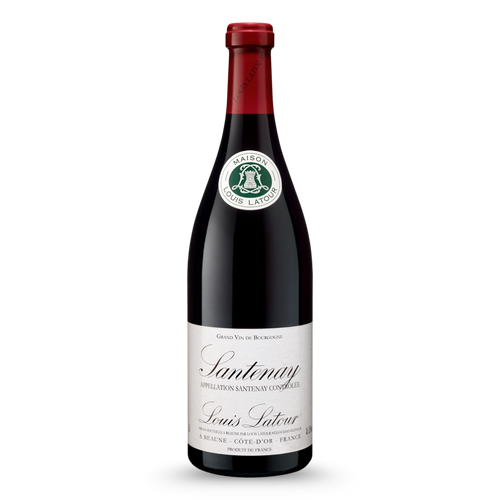
Order now, shipped tomorrow Shipped tomorrow
The Côte de Beaune is the heart of Burgundy , home to both great white and refined red wines. This region is renowned worldwide for its exceptional Chardonnay and elegant Pinot Noir, boasting an unparalleled diversity of styles and terroirs. From taut, mineral white wines to rich, creamy classics and refined red Burgundy , the Côte de Beaune forms the foundation of Burgundian excellence.
What is the Côte de Beaune?
The Côte de Beaune is the southern part of the Côte d'Or in Burgundy. The region extends from Ladoix-Serrigny in the north to Maranges in the south. The Côte de Beaune is distinguished by its versatility: some of the world's finest white wines are produced here, as well as elegant red wines with finesse and ageing potential.
What is the Côte de Beaune known for? Its world-famous Chardonnay and refined Pinot Noir wines, boasting great diversity and terroir expression.
Location and history
The Côte de Beaune boasts a winemaking history dating back to Roman times, but its international fame began in the Middle Ages. Over the centuries, the region developed a strong parcel-based approach, with each vineyard developing its own distinct identity.
Historical features:
- Centuries-old wine-growing tradition
- Development of the climate system
- International reputation from the 19th century
- Cradle of great white Burgundy
Vineyards and terroir
The terroir of the Côte de Beaune is exceptionally complex and explains the enormous variety of styles.
Key terroir characteristics:
- Calcareous soils with marl and clay
- South and southeast facing slopes
- Good drainage
- Protected climate with sufficient sun
- Height differences that preserve freshness
This combination makes the region ideal for both Chardonnay and Pinot Noir.
Main appellations
The Côte de Beaune is made up of a series of prestigious villages and appellations, each with its own style.
Well-known white wine appellations
• Puligny-Montrachet – tight, mineral and refined
• Chassagne-Montrachet – powerful with finesse
• Meursault – rich, creamy and complex
• Corton-Charlemagne – grand, structured and mineral
Well-known red wine appellations
• Volnay – elegant and refined
• Pommard – powerful and structured
• Beaune – classic and balanced
• Aloxe-Corton – firm with ageing potential
Grapes and styles
White wine from the Côte de Beaune
Chardonnay
• Ranging from tight and mineral to rich and creamy
• Often wood-matured, but always balanced
• Great complexity and length
• Excellent storage potential
Red wine from the Côte de Beaune
Pinot Noir
• Elegant to structured
• Fine tannins
• Aromatic precision
• Suitable for maturing
Stylistic features:
• Terroir over technique
• Finesse and balance
• Great diversity per village and vineyard
Classification
The Burgundian hierarchy is clearly visible in the Côte de Beaune.
• Village
• Premier Cru
• Grand Cru
Important Grand Crus in the region:
• Montrachet
• Chevalier-Montrachet
• Bâtard-Montrachet
• Corton
• Corton-Charlemagne
Vinification and philosophy
Winemakers in the Côte de Beaune work traditionally, with great attention to origin.
• Plot-oriented vinification
• Use of French oak
• Limited intervention
• Long maturation for balance
• Respect for climate and vintage
Storage and serving
Storage potential:
• White Premier Cru and Grand Cru: 10–25+ years
• Red wines: 8–20 years
Serving temperature :
• White wine: 12–14 degrees
• Red wine: 15–17 degrees
Decanting :
• Briefly aerate young top wines
• Pour mature bottles with care
Buy Côte de Beaune wine at Perfectewijn.nl
At Perfecte Wijn, you'll find wines from the Côte de Beaune for lovers of classic Burgundy with depth and finesse. From iconic Chardonnay to refined Pinot Noir, this region is the heart of Burgundian excellence and offers unparalleled variety for both casual drinkers and collectors.
Veelgestelde vragen
Is the Côte de Beaune mainly white or red?
Both, but the region is world famous for its white Chardonnay.
What is the difference with Côte de Nuits?
Côte de Beaune excels in white, Côte de Nuits focuses on red Pinot Noir.
Are Côte de Beaune wines suitable for aging?
Yes, especially Premier Cru and Grand Cru have great aging potential.
Which grapes are allowed?
Chardonnay for white and Pinot Noir for red.
Why is the Côte de Beaune so important?
Because of its historical role and exceptional terroir diversity.


