
Côte Chalonnaise
The Côte Chalonnaise forms the link between the famous Côte de Beaune and the Mâconnais region to the south. This Burgundy region is known for wines with a clear provenance, recognizable Burgundian character, and a style that is often more direct and accessible than in the villages further north.
10 products

Order now, shipped tomorrow Shipped tomorrow
Order now, shipped tomorrow Shipped tomorrow

Order now, shipped tomorrow Shipped tomorrow
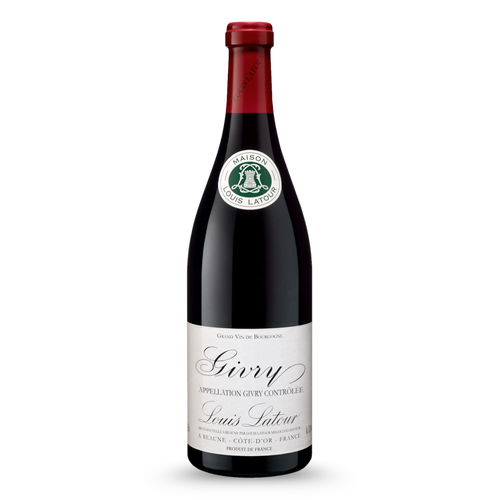
Order now, shipped tomorrow Shipped tomorrow
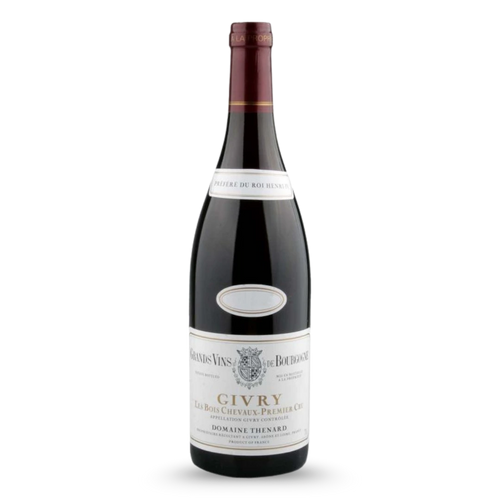
Order now, shipped tomorrow Shipped tomorrow
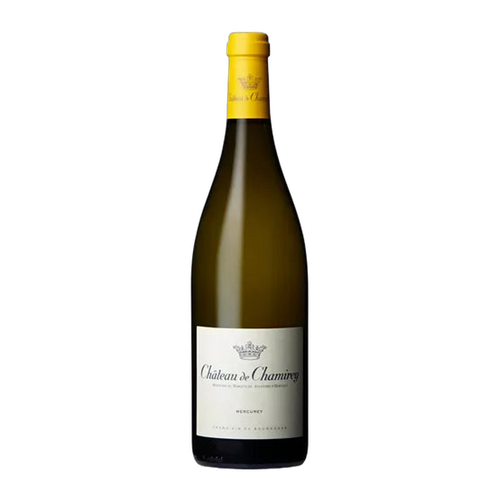
Shipment within approx. 2 business days. Shipment within approx. 2 business days.
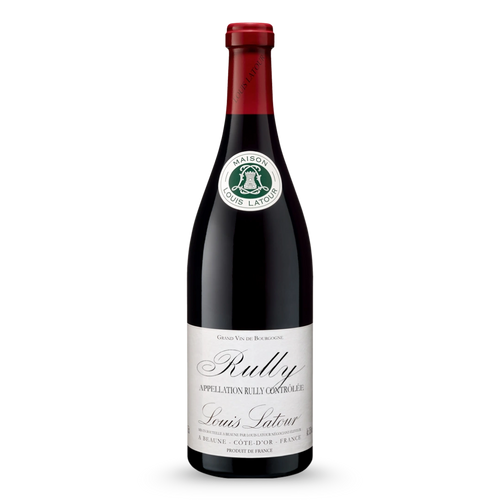
Order now, shipped tomorrow Shipped tomorrow

Shipment within approx. 2 business days. Shipment within approx. 2 business days.
Order now, shipped tomorrow Shipped tomorrow
The Côte Chalonnaise forms the link between the famous Côte de Beaune and the Mâconnais region to the south. This Burgundy region is known for wines with a clear provenance, recognizable Burgundian character, and a style that is often more direct and accessible than in the villages further north.
The position of the Côte Chalonnaise within Burgundy
Côte Chalonnaise lies south of the Côte de Beaune and is entirely part of Burgundy. Historically, the region was somewhat overshadowed by the more famous Côte d'Or, but now it's considered a serious appellation for both red and white Burgundy .
Why is the Côte Chalonnaise so interesting in Burgundy?
Because here you will find the classic Burgundy profile, but often with a little more openness and less formal strictness.
Soil and terroir
The soils of the Côte Chalonnaise consist primarily of limestone and clay, similar to those of the Côte de Beaune. The vineyards are situated on rolling hills with varying exposure, resulting in a variety of styles and ripeness.
Due to the slightly warmer location, the grapes generally develop evenly, which contributes to round structures and an accessible balance.
Main appellations
The Côte Chalonnaise consists of a number of village appellations, each with its own profile.
-
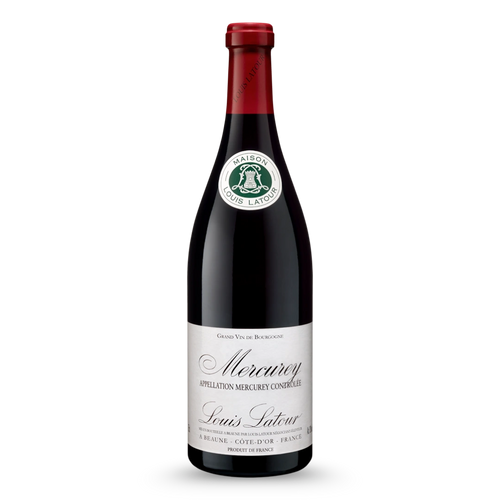
Mercury
The largest and most famous appellation, especially praised for red Pinot Noir with structure and grip. -
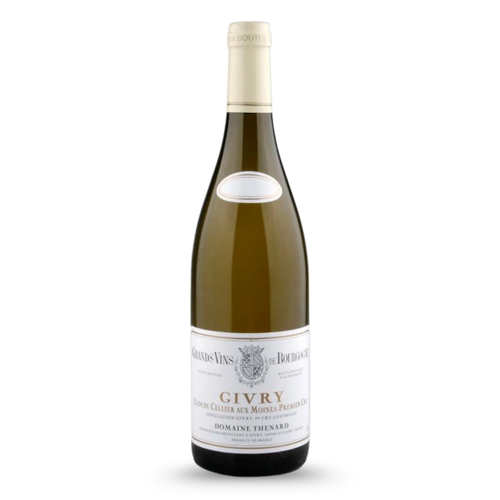
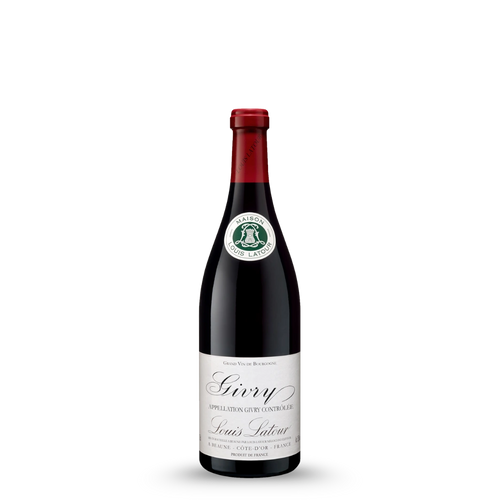
Givry
Known for elegant red wines and refined style. -
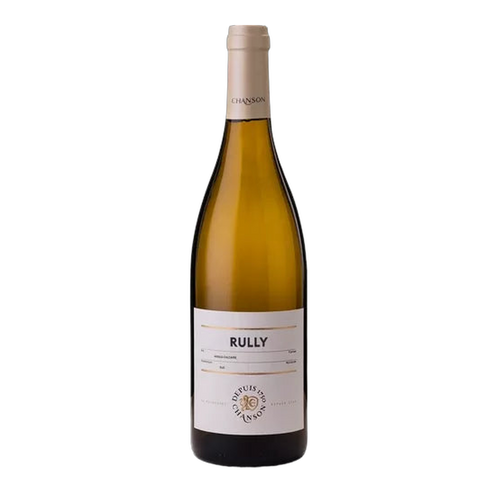
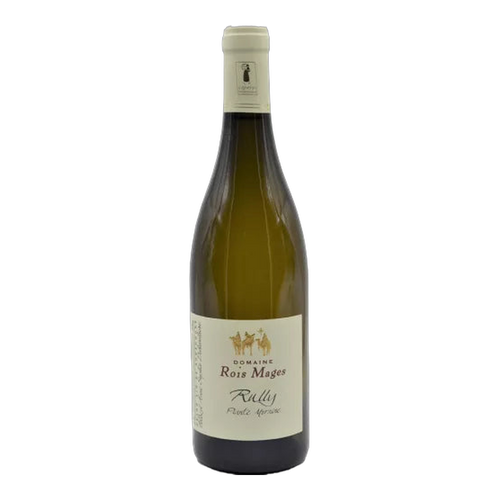
Rully
Produces both white and sparkling wines, with a focus on freshness and precision. -
Montagny
Exclusively white, made from Chardonnay, often tight and mineral in character.
Together, these appellations demonstrate the versatility of the region.
Grapes and style
The Côte Chalonnaise uses the same classic grapes as the rest of Burgundy.
-
Pinot Noir forms the basis for red wine and produces wines with a clear structure and ripe fruit.
-
Chardonnay is used for white wine and often shows freshness, tension and a pure style.
Overall, the wines from the Côte Chalonnaise are:
- recognizable Burgundy
- slightly more direct in style
- less emphasis on extreme refinement
- suitable for drinking relatively young, with the exception of better Premier Crus
Premier Cru in the Côte Chalonnaise
Several appellations within the Côte Chalonnaise boast Premier Cru vineyards , particularly in Mercurey and Givry. These parcels produce wines with greater concentration, length, and aging potential, underscoring that the region is more than just entry-level Burgundy.
Style comparison within Burgundy
Compared to other Burgundy regions, the Côte Chalonnaise is generally:
- less refined than the Côte de Nuits
- less rich than some parts of the Côte de Beaune
- more serious and structured than many Mâconnais -wines
This makes the region attractive for those who want to discover Burgundy with a clear structure and recognisable character.
Côte Chalonnaise at Perfectewijn.nl
At Perfecte Wijn, you'll find wines from the Côte Chalonnaise for those seeking Burgundy with balance, provenance, and character. This region demonstrates that quality and accessibility can go hand in hand within Burgundy.
Veelgestelde vragen
Where is the Côte Chalonnaise located?
South of the Côte de Beaune, in Burgundy.
Which wine is most important here, red or white?
Both, with a slight emphasis on red in appellations such as Mercurey and Givry.
Are Premier Cru wines made here?
Yes, especially in Mercurey and Givry.
How does the Côte Chalonnaise differ from the Côte de Beaune?
The wines are often a little more direct and less refined in style.
Who is the Côte Chalonnaise interesting for?
For enthusiasts who want to discover Burgundy beyond the most famous villages.


