
White German wine
German white wine is among the most expressive and refined white wines in the world. Thanks to the cool climate, steep river valleys, and mineral-rich soils, German wines deliver a unique combination of aromatic precision, crisp acidity, and elegance. Riesling is the absolute star, but Weissburgunder, Grauburgunder, and Silvaner have also built a strong reputation for their balance and purity.
123 products

Order now, shipped tomorrow Shipped tomorrow
Order now, shipped tomorrow Shipped tomorrow
Shipment within approx. 2 business days. Shipment within approx. 2 business days.
Order now, shipped tomorrow Shipped tomorrow

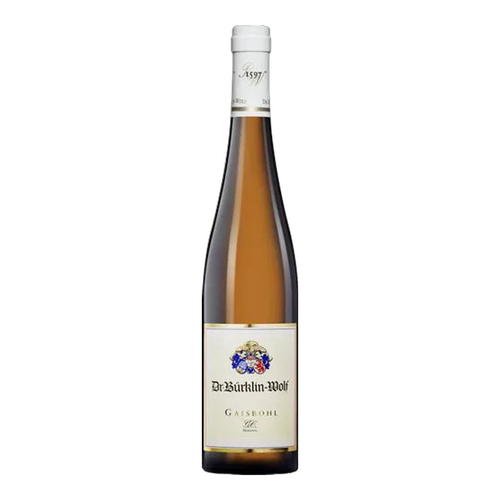
Shipment within approx. 2 business days. Shipment within approx. 2 business days.
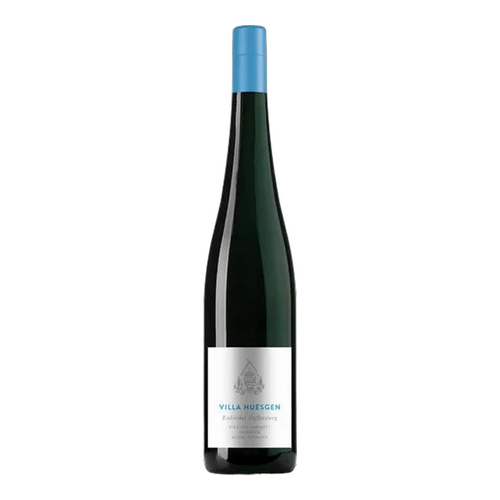
Order now, shipped tomorrow Shipped tomorrow
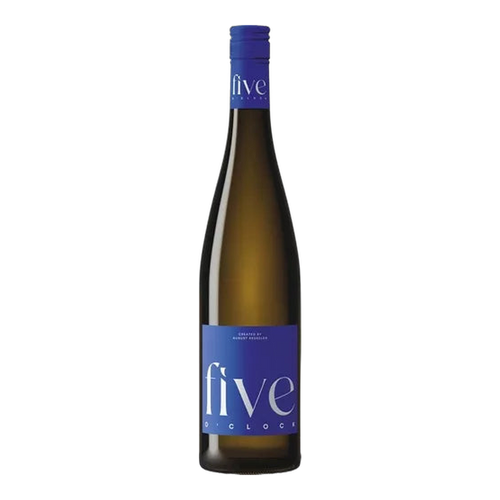
Shipment within approx. 2 business days. Shipment within approx. 2 business days.

Shipment within approx. 2 business days. Shipment within approx. 2 business days.
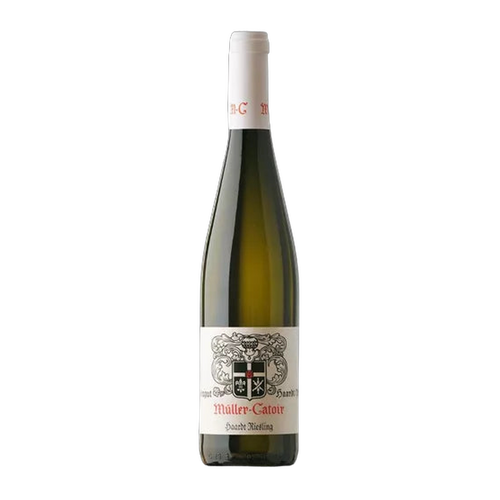
Shipment within approx. 2 business days. Shipment within approx. 2 business days.


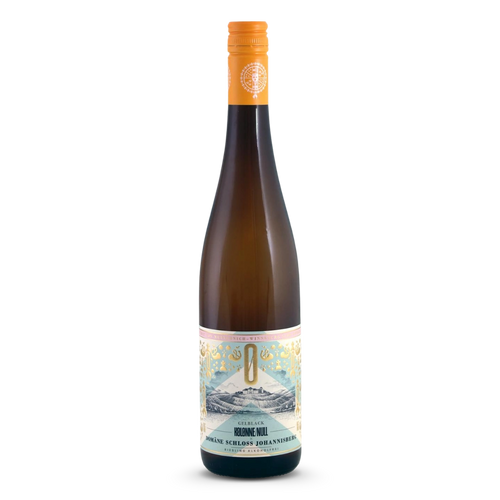
Order now, shipped tomorrow Shipped tomorrow
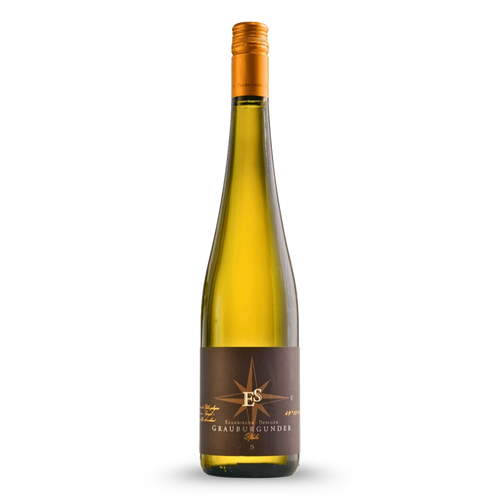
Order now, shipped tomorrow Shipped tomorrow
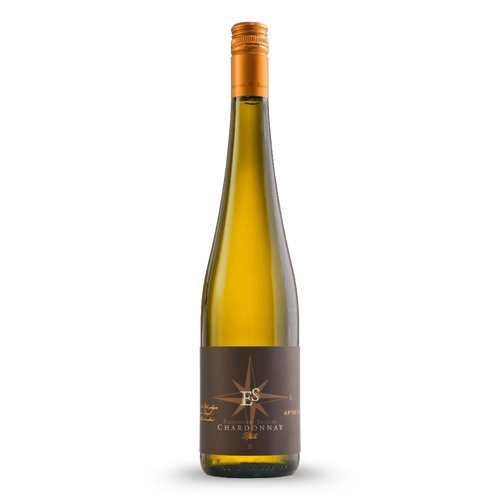
Order now, shipped tomorrow Shipped tomorrow

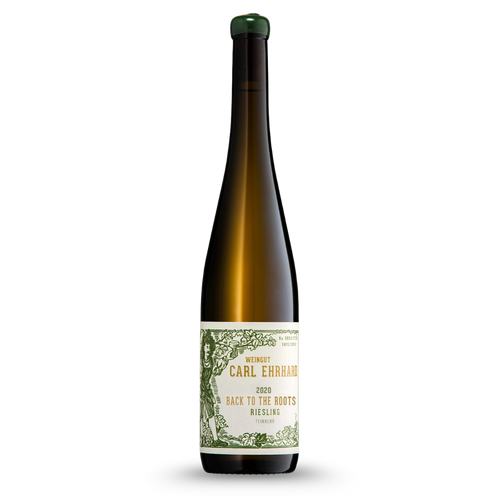
Shipment within approx. 2 business days. Shipment within approx. 2 business days.
Shipment within approx. 4 business days. Shipment within approx. 4 business days.
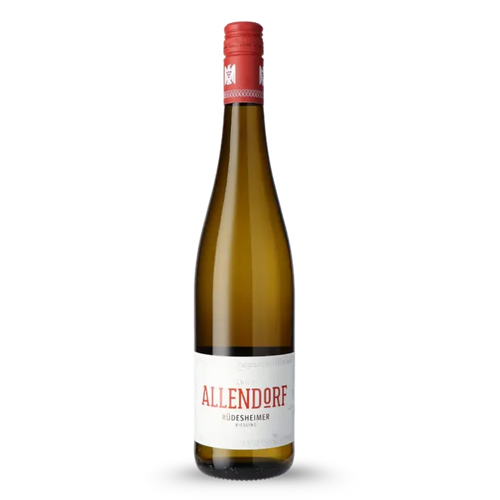
Shipment within approx. 2 business days. Shipment within approx. 2 business days.

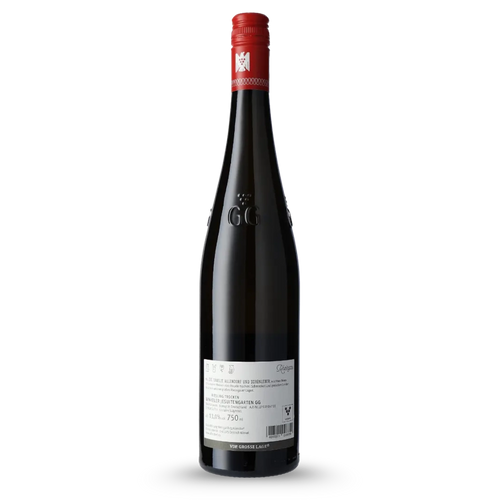
Order now, shipped tomorrow Shipped tomorrow

Regular
€88,22
Shipment within approx. 2 business days. Shipment within approx. 2 business days.
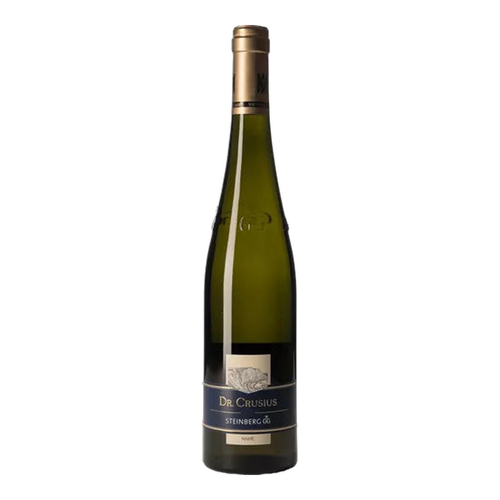
Shipment within approx. 2 business days. Shipment within approx. 2 business days.
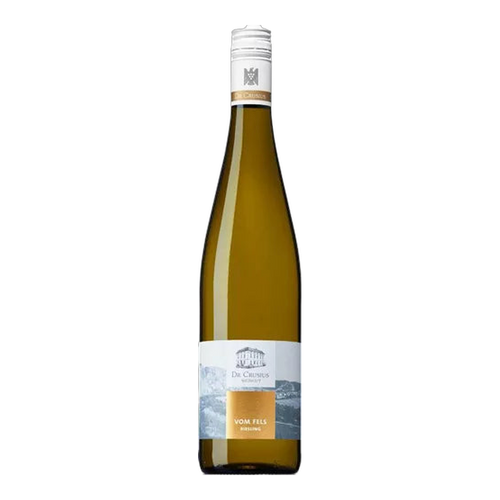
Order now, shipped tomorrow Shipped tomorrow

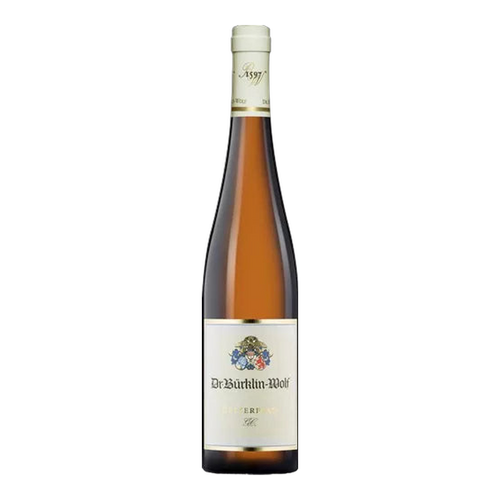
Shipment within approx. 2 business days. Shipment within approx. 2 business days.
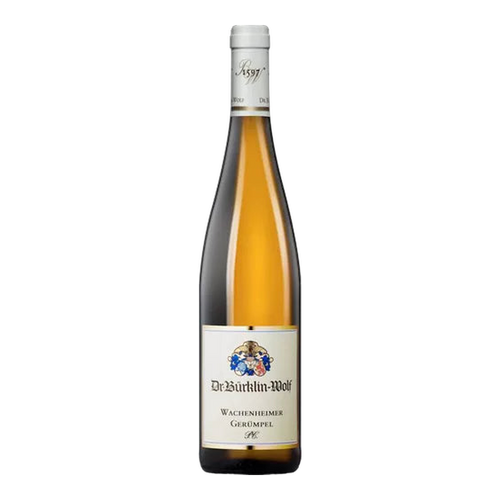
Shipment within approx. 2 business days. Shipment within approx. 2 business days.
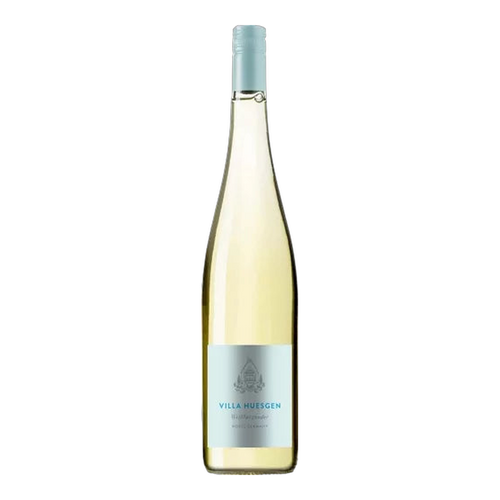
Shipment within approx. 2 business days. Shipment within approx. 2 business days.
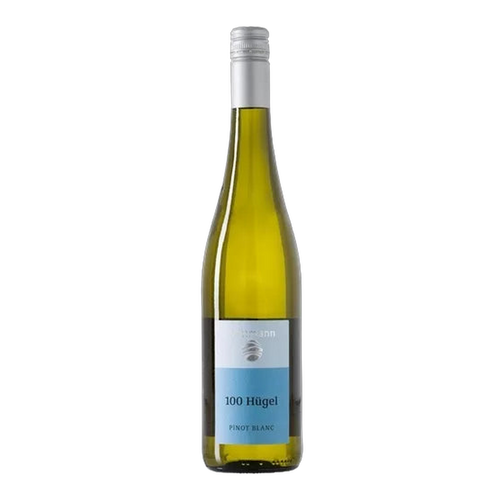
Shipment within approx. 2 business days. Shipment within approx. 2 business days.
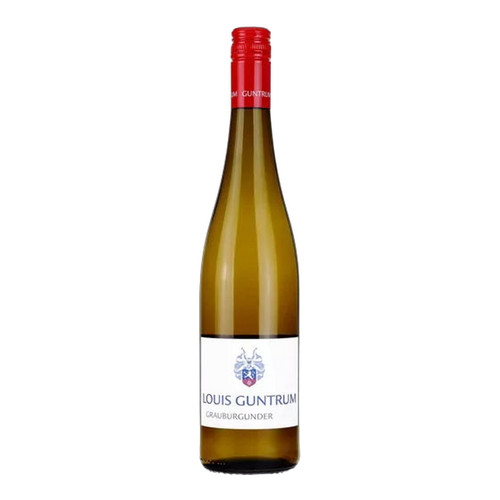
Shipment within approx. 2 business days. Shipment within approx. 2 business days.
German white wine is among the most expressive and refined white wines in the world. Thanks to the cool climate, steep river valleys, and mineral-rich soils, German wines deliver a unique combination of aromatic precision, crisp acidity, and elegance. Riesling is the absolute star, but Weissburgunder, Grauburgunder, and Silvaner have also built a strong reputation for their balance and purity.
What is white German wine?
White German wine encompasses all white wines produced in Germany, from crisply dry to richly sweet. Riesling, in particular, stands out for its aromatic clarity and ability to carry all styles. In addition, Weissburgunder, Grauburgunder, and Silvaner have become important grapes thanks to their fresh, gourmet character. German white wine is known for its purity, vibrant acidity, and a pronounced mineral structure.
Origin and vineyards
German vineyards are often located along rivers such as the Mosel or the Rhine, where steep slopes and reflection of sunlight allow for optimal ripening.
Important regions for white wine:
Terroir characteristics that define white German wine:
- Cool climate that allows aromas to develop while preserving acidity
- Slate in the Mosel for minerality and tension
- Calcareous soils in the Palatinate and Rheinhessen for rounder styles
- Height differences that enhance the freshness
- River reflection that provides extra light and warmth
Styles and vinification
Dry styles (Trocken)
• Tight, fresh and mineral
• Perfect for modern gastronomic use
Fine-herb & semi-dry
• Light sweetness
• Nice balance with lively acidity
Sweeter styles
• Cabinet – elegant, light-footed
• Spätlese – riper, more concentrated
• Auslese – richer and complex
• Beerenauslese & Eiswein – intense and rare
Main grape varieties:
• Riesling – citrus, apple, peach, minerality
• Weissburgunder (Pinot Blanc) – fresh and elegant
• Grauburgunder (Pinot Gris) – slightly fuller and creamier
• Silvaner – pure, subtle and gastronomic
Why are German white wines so aromatic and fresh? The grapes ripen slowly in a cool climate, allowing the aromas to fully develop while the acidity remains firm.
Storage and serving
• Dry Riesling: 3–8 years
• Spätlese & Auslese: 10–20+ years
• Weissburgunder & Grauburgunder: 2–5 years
• Silvaner: 2–4 years
Serving temperature:
• 8–10 degrees for dry styles
• 6–8 degrees for sweeter varieties
Buy white German wine at Perfectewijn.nl
At Perfecte Wijn, you'll find a wide selection of German white wines, from crisp Mosel Riesling to elegant Pinot Blanc and modern Grauburgunder. Each wine is selected for purity, freshness, and character, so you're sure to find a style that suits your taste.
Veelgestelde vragen
What is the most famous German white grape?
Riesling is the most famous German grape worldwide thanks to its versatility and quality.
Are German white wines always sweet?
No, many wines are dry (Trocken), although Germany is also known for noble sweet styles.
Which region produces the most minerally Riesling?
Mosel, mainly due to the steep slate slopes.
What is the difference between Weissburgunder and Grauburgunder?
Weissburgunder is fresher and more elegant, Grauburgunder fuller and more aromatic.
Can you store German white wine?
Riesling in particular has exceptional ageing potential, sometimes lasting for decades.


