
Dessert wines
Dessert wines are wines with a distinctly sweet character, intended to be enjoyed with or after dessert, but also surprisingly strong as a companion to cheese or as a final wine on their own. They are distinguished by concentration, a balance of sweetness and acidity, and often a unique production method. From noble sweetness to fortified, and from light and fresh to rich and intense, dessert wine is a category with enormous diversity.
130 products
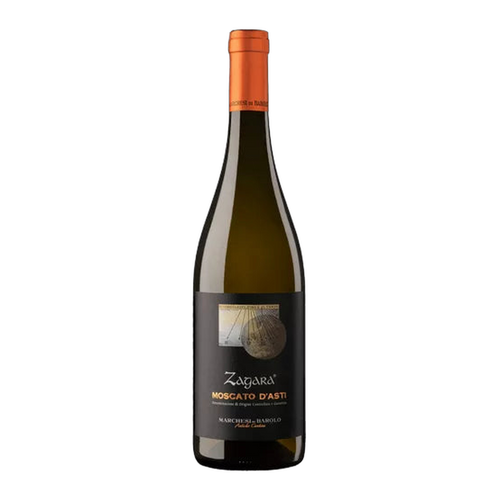
Order now, shipped tomorrow Shipped tomorrow
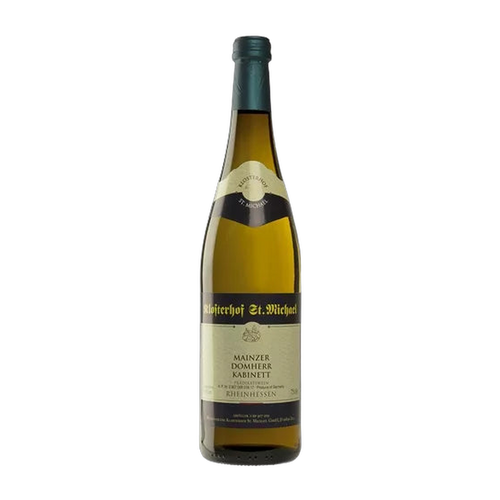
Order now, shipped tomorrow Shipped tomorrow
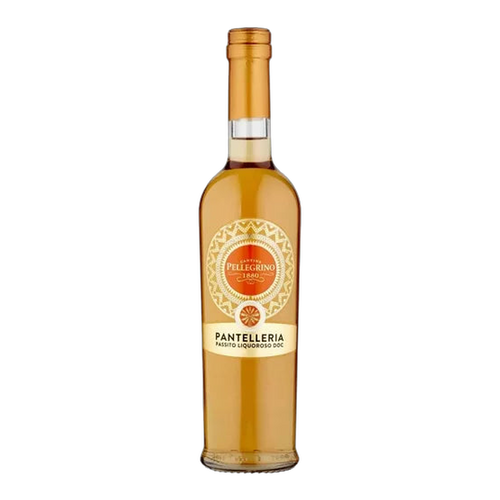
Order now, shipped tomorrow Shipped tomorrow

Shipment within approx. 2 business days. Shipment within approx. 2 business days.
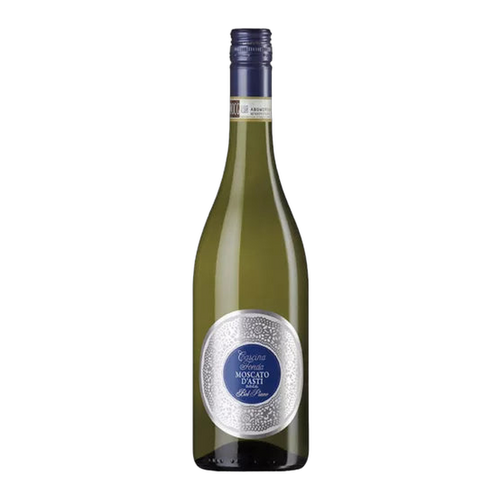
Shipment within approx. 2 business days. Shipment within approx. 2 business days.

Order now, shipped tomorrow Shipped tomorrow


Order now, shipped tomorrow Shipped tomorrow
Order now, shipped tomorrow Shipped tomorrow
Shipment within approx. 2 business days. Shipment within approx. 2 business days.

Shipment within approx. 2 business days. Shipment within approx. 2 business days.
Order now, shipped tomorrow Shipped tomorrow

Order now, shipped tomorrow Shipped tomorrow
Order now, shipped tomorrow Shipped tomorrow
Order now, shipped tomorrow Shipped tomorrow

Order now, shipped tomorrow Shipped tomorrow
Order now, shipped tomorrow Shipped tomorrow

Order now, shipped tomorrow Shipped tomorrow

Order now, shipped tomorrow Shipped tomorrow
Shipment within approx. 2 business days. Shipment within approx. 2 business days.
Order now, shipped tomorrow Shipped tomorrow
Order now, shipped tomorrow Shipped tomorrow
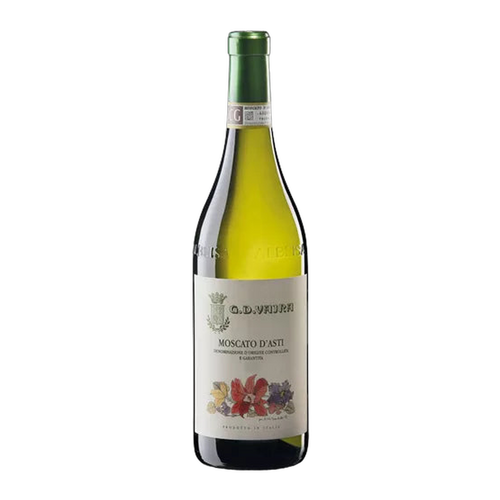
Shipment within approx. 2 business days. Shipment within approx. 2 business days.

Shipment within approx. 2 business days. Shipment within approx. 2 business days.
Dessert wines are wines with a distinctly sweet character, intended to be enjoyed with or after dessert, but also surprisingly strong as a companion to cheese or as a final wine on their own. They are distinguished by concentration, a balance of sweetness and acidity, and often a unique production method. From noble sweetness to fortified, and from light and fresh to rich and intense, dessert wine is a category with enormous diversity.
What characterizes dessert wine?
Dessert wine is all about concentration and balance . The sweetness comes from very ripe grapes, raisining, botrytis, or fortification with alcohol. It's crucial that the sweetness is always supported by acidity or structure, so the wine doesn't become heavy or cloying.
What makes a wine a dessert wine? The higher sugar content, combined with sufficient acidity or structure to maintain balance.
Main styles of dessert wine
Dessert wines come in a variety of styles, each with its own character and application.
-
Noble sweet wine
Made from very ripe grapes, often affected by noble rot, these wines are intense, aromatic, and complex, with a long finish.Chateau d'Yquem, for example, is one such wine. -
Late harvest
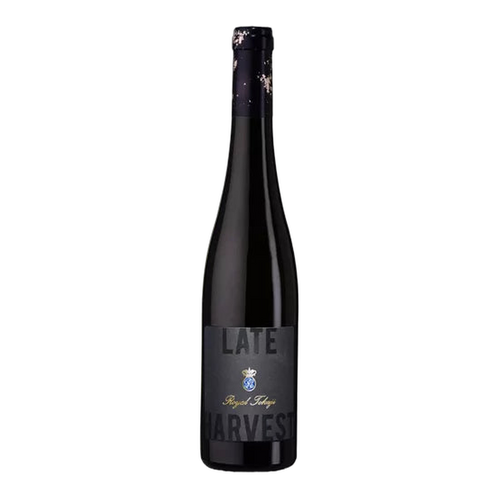
Wines from late-harvested grapes, where extra ripeness provides more sugar and concentration, but often with a fresh core. -
Fortified wine
Wines in which alcohol is added during or after fermentation. This preserves residual sugar and creates a powerful, warm style. -
Sparkling sweet
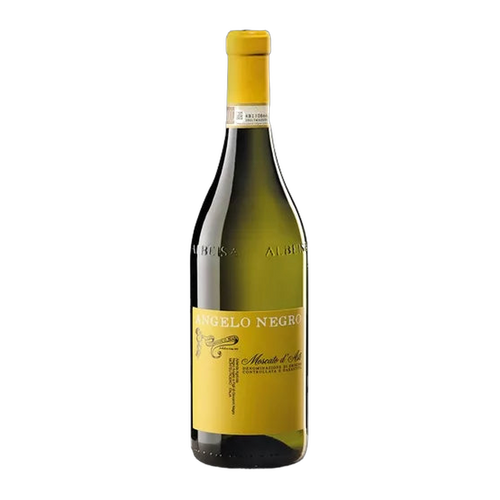
Sweet sparkling wines with a fresh, light-hearted style, often lower in alcohol and intended for immediate drinking. Moscato d'Asti is a prime example.
Main regions for dessert wine
Dessert wines are produced worldwide, but a number of regions serve as absolute references.
-
Sauternes
World famous for its sweet botrytised wine, rich and complex with great ageing potential. -
Tokaj
Known for Tokaji, one of the oldest noble sweet wine styles in the world, with high acidity and enormous depth. -
Douro
The birthplace of Port, a fortified dessert wine with power, sweetness and structure. -
Piedmont
Home to sweet Italian classics with a fresh and aromatic style.
These regions show how diverse dessert wine can be, from intense and powerful to light and refined.
When do you choose dessert wine?
Dessert wines aren't just for sweet desserts. They also pair perfectly with:
- cheeses with salt and aging
- desserts with fruit or nuts
- moments when one small glass is enough
- special occasions where a wine should stand out
Because of their concentration, dessert wines are often richer than regular wine, but also particularly satisfying in small quantities.
Storage and maturation
Many dessert wines have excellent aging potential. Due to their high sugar content and often higher alcohol or acidity, these wines can develop for years, sometimes even decades. Aging develops additional layers of complexity without the wine losing its balance.
Not all dessert wines need to age, however. Some styles are meant to be enjoyed young and fresh.
Dessert wine at Perfectewijn.nl
At Perfecte Wijn, you'll find a carefully selected range of dessert wines, from noble sweet and fortified to light and aromatic. These wines are chosen for their balance, style, and reliability, offering a suitable choice for any dessert or final occasion.
Veelgestelde vragen
Is dessert wine always sweet?
Yes, dessert wine always has a distinctly sweet character, but the style and intensity vary greatly.
Do you only drink dessert wine with desserts?
No, only fortified dessert wines have a higher alcohol content.
Can you store dessert wine?
Many dessert wines are excellent for aging.
Do you serve dessert wine in a large glass?
No, dessert wine is usually served in smaller quantities.


