
Saperavi
Saperavi is Georgia 's most important red grape and one of the few teinturier varieties in the world, meaning both the skin and the flesh contain color. This creates intensely colored, powerful red wines with depth, structure, and impressive aging potential. The grape is at the heart of Georgian wine culture, producing both modern oak-aged wines and traditional Qvevri wines with unique aromatic complexity.
8 products


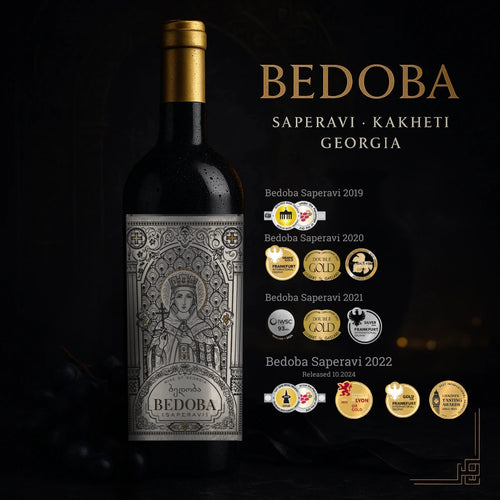
Regular 16,50
Order now, shipped tomorrow Shipped tomorrow
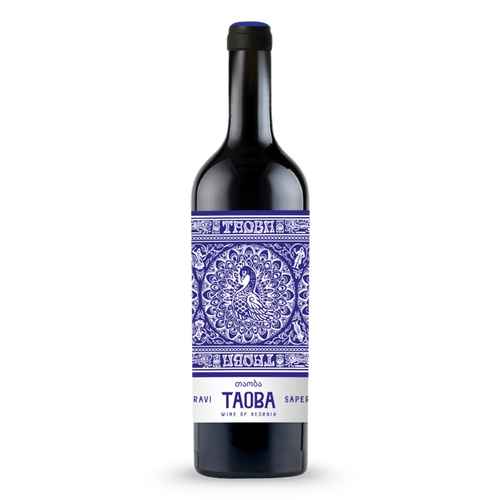
Order now, shipped tomorrow Shipped tomorrow


Regular 21,95
Order now, shipped tomorrow Shipped tomorrow


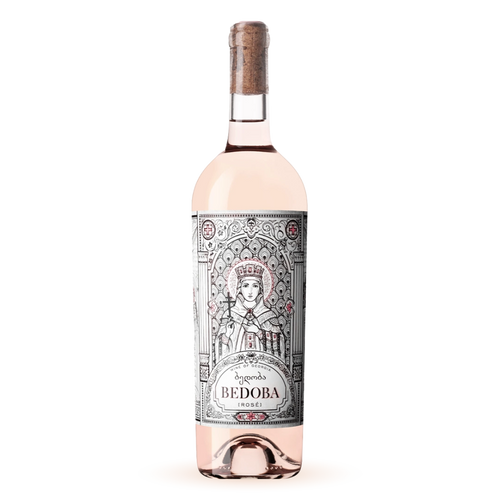
Regular 19,50
Order now, shipped tomorrow Shipped tomorrow

Order now, shipped tomorrow Shipped tomorrow


Order now, shipped tomorrow Shipped tomorrow
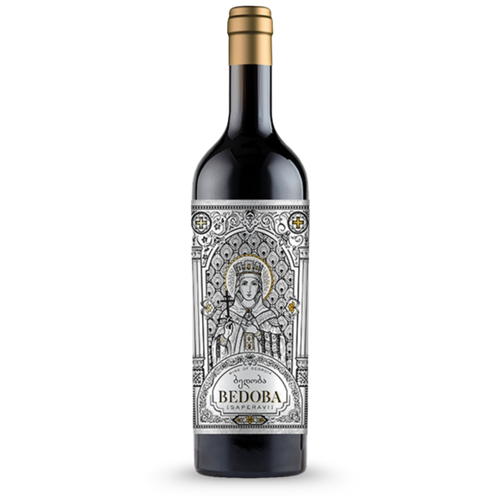
Shipment within approx. 2 business days. Shipment within approx. 2 business days.
Saperavi is Georgia 's most important red grape and one of the few teinturier varieties in the world, meaning both the skin and the flesh contain color. This creates intensely colored, powerful red wines with depth, structure, and impressive aging potential. The grape is at the heart of Georgian wine culture, producing both modern oak-aged wines and traditional Qvevri wines with unique aromatic complexity.
What is Saperavi?

Saperavi is an ancient Georgian grape variety grown primarily in the Kakheti region. It is known for its deep color, firm tannins, fresh acidity, and pronounced dark fruit. Because it is a teinturier grape, the wine is naturally rich in pigment and concentration. Saperavi is used for dry red wines, full-bodied blends, rosés, and even sweet or semi-sweet styles, depending on tradition and region.
Origin and vineyards
Saperavi originates from Kakheti , Georgia's most famous wine region. Located in the east of the country, the region is characterized by a continental climate, warm summers, cool nights, and a long ripening period.
Key elements of the terroir are:
• Soils – chalk, clay and alluvial sediments that provide tension and depth.
• Altitude – many vineyards are located at 400–700 meters, which provides fresh acidity.
• Climate – warm days for ripe fruit, cool nights for aromatic freshness.
Saperavi is cultivated both traditionally and modernly. In Kakheti, many wines are still made in Qvevri , large earthenware amphorae buried in the ground, which provide structure, spice, and oxidative depth.
Grape and style
Saperavi is versatile, but is mainly known for dry red wines with intensity and length.
Characteristics of Saperavi wine
• deep, almost ink-black color
• aromas of black fruits such as blackberries, black cherry and blue plum
• pronounced acids and firm tannins
• notes of earth, spice, tobacco and sometimes chocolate in wood-matured styles
• long, dry finish that opens up further with bottle aging
Traditional Qvevri wines
Vinified in Qvevri, Saperavi develops a complex profile with:
• dried fruit
• earthy tones
• soft oxidative nuances
• more structure due to long-term contact with peels and pits
Modern style
When Saperavi is vinified in stainless steel or French oak, a more fruit-driven wine with round tannins and international appeal is created.
Storage and serving
Saperavi has excellent ageing potential due to its tannins and acids.
• Drink young: 3–6 years for modern styles
• Medium-term maturation: 6–12 years for oak-aged wines
• Long maturation: 10–20 years for powerful Qvevri wines
Serve Saperavi at 16–18 degrees and decant young or structured wines for optimal openness.
Buy Saperavi at Perfectewijn.nl
At Perfecte Wijn, you'll find Saperavi in various styles, from modern fruit-driven wines to traditional Qvevri expressions from Kakheti. Each wine demonstrates why this grape is considered the flagship of Georgian viticulture.
Veelgestelde vragen
Where does Saperavi come from?
Saperavi is an indigenous Georgian grape grown mainly in the Kakheti region.
What makes Saperavi unique?
It is a Teinturier grape with colored flesh, which gives the wines naturally very deep color and structure.
What does Saperavi taste like?
Expect dark fruit, firm tannins, fresh acidity and sometimes earthy or spicy notes depending on the vinification.
Is Saperavi made in Qvevri?
Yes, many Georgian producers use Qvevri, which gives extra structure, depth and complexity.
How long can you store Saperavi?
Modern Saperavi should be drunk within 3–6 years, while powerful Qvevri wines can age for 10–20 years.


