
Argentine red wine
Argentine red wine is known worldwide for its ripe fruit, soft tannins, and the unique influence of high-altitude Andean vineyards. Malbec from Mendoza, in particular, has achieved iconic status, but Cabernet Sauvignon , Bonarda , and Syrah also play a significant role in the modern Argentine wine style. Thanks to the dry climate, abundant sunshine, and extreme altitude, wines are produced that are simultaneously powerful, aromatic, and remarkably fresh.
108 products
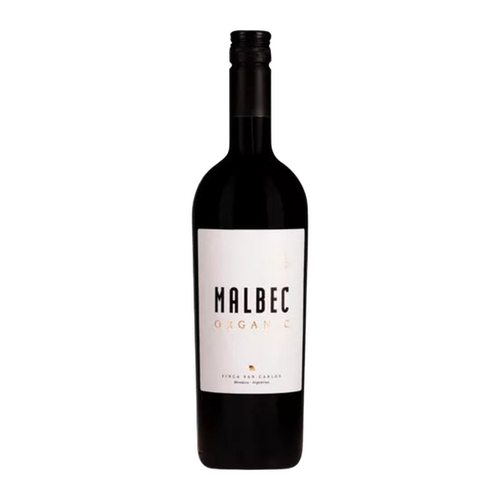
Shipment within approx. 2 business days. Shipment within approx. 2 business days.

Order now, shipped tomorrow Shipped tomorrow

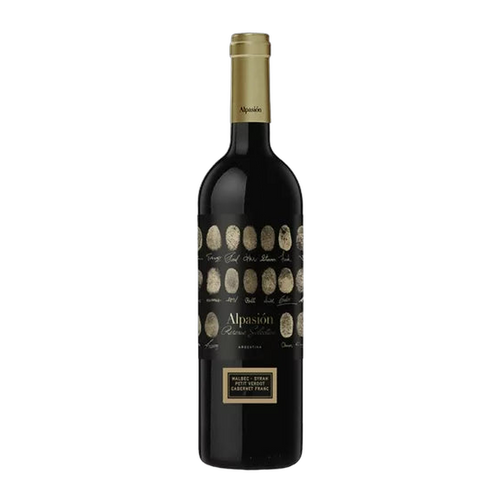
Shipment within approx. 2 business days. Shipment within approx. 2 business days.
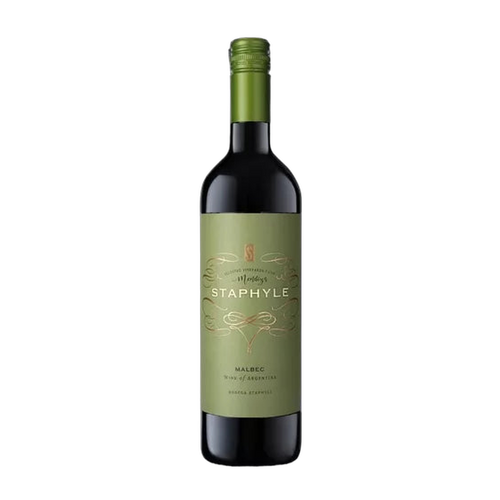
Shipment within approx. 2 business days. Shipment within approx. 2 business days.
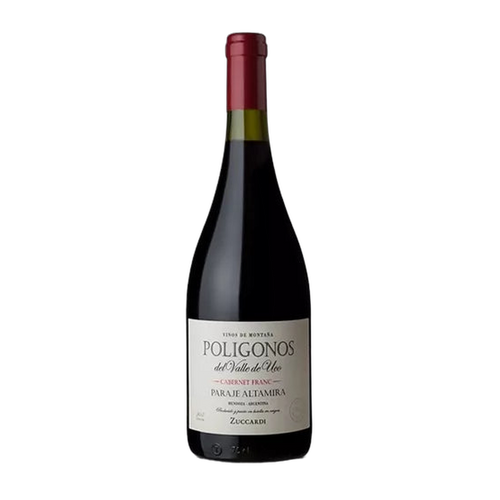
Order now, shipped tomorrow Shipped tomorrow


Shipment within approx. 2 business days. Shipment within approx. 2 business days.


Shipment within approx. 2 business days. Shipment within approx. 2 business days.
Order now, shipped tomorrow Shipped tomorrow

Order now, shipped tomorrow Shipped tomorrow
Shipment within approx. 2 business days. Shipment within approx. 2 business days.

Shipment within approx. 2 business days. Shipment within approx. 2 business days.

Shipment within approx. 2 business days. Shipment within approx. 2 business days.

Shipment within approx. 2 business days. Shipment within approx. 2 business days.
Shipment within approx. 2 business days. Shipment within approx. 2 business days.

Shipment within approx. 2 business days. Shipment within approx. 2 business days.
Shipment within approx. 2 business days. Shipment within approx. 2 business days.

Shipment within approx. 2 business days. Shipment within approx. 2 business days.

Order now, shipped tomorrow Shipped tomorrow
Shipment within approx. 2 business days. Shipment within approx. 2 business days.
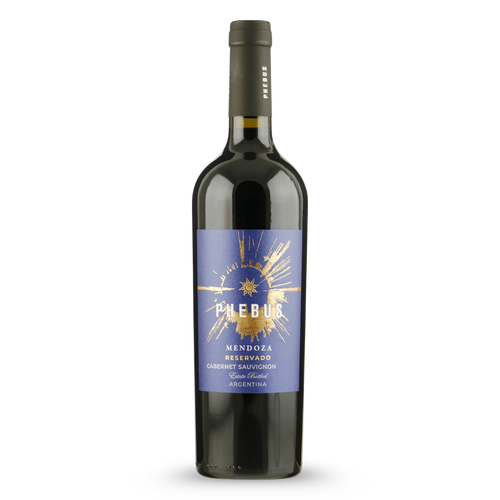
Order now, shipped tomorrow Shipped tomorrow

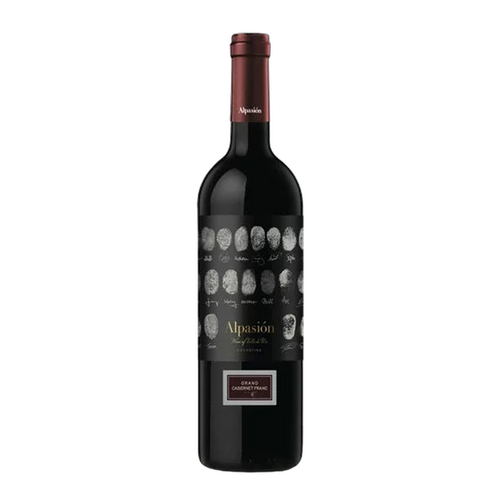
Order now, shipped tomorrow Shipped tomorrow
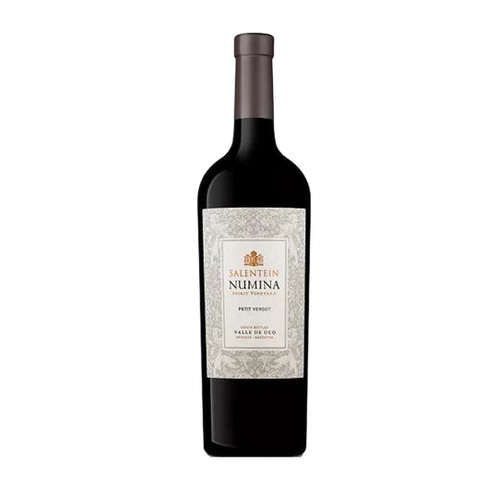
Shipment within approx. 2 business days. Shipment within approx. 2 business days.
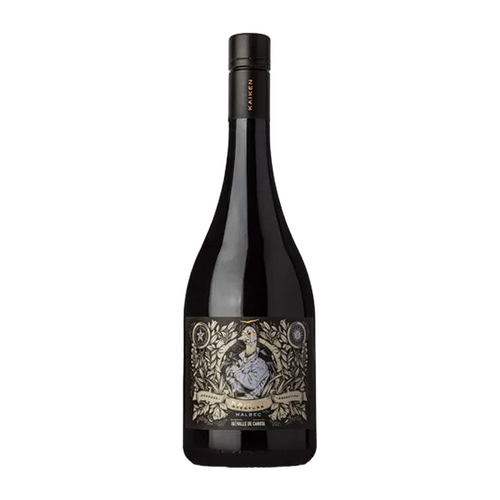
Argentine red wine is known worldwide for its ripe fruit, soft tannins, and the unique influence of high-altitude Andean vineyards. Malbec from Mendoza, in particular, has achieved iconic status, but Cabernet Sauvignon , Bonarda , and Syrah also play a significant role in the modern Argentine wine style. Thanks to the dry climate, abundant sunshine, and extreme altitude, wines are produced that are simultaneously powerful, aromatic, and remarkably fresh.
What is Argentine red wine?
Argentine red wine is produced in Argentina's major wine regions, such as Mendoza , Salta , Uco Valley , and San Juan . The wines are often made from Malbec, Cabernet Sauvignon, Bonarda, and Syrah. The style is characterized by ripe dark fruit, soft tannins, concentrated flavors, and a natural freshness that comes from vineyards sometimes located above 1,000 meters.
Origin and vineyards
The strength of Argentine red wine lies in its extreme terroir. The Andes form a natural backbone for viticulture, with vineyards benefiting from dry air, cold nights, and intense sunshine.
Major red wine regions in Argentina:
- Mendoza – the main area for Malbec and Cabernet Sauvignon, with sub-regions such as Luján de Cuyo and the high-altitude Uco Valley.
- Uco Valley – vineyards between 900 and 1500 meters, which provides tension, freshness and aromatic complexity.
- Salta – home to Cafayate, with vineyards reaching altitudes of over 2,000 meters. Powerful yet refreshing red wines thanks to the extreme altitude.
- Patagonia – a cooler region with elegant Pinot Noir and structured red blends.
- San Juan – warm region with powerful, rich red wines from Syrah and Bonarda.
The dry climate and altitude make irrigation essential, often using meltwater from the Andes. This allows for precise ripening control, keeping the fruit aromatic and pure.
Styles and vinification
Argentina produces a variety of red styles, from soft, fruity wines to powerful mountain wines with structure and depth.
Malbec
The most important grape of Argentina.
• Style: ripe dark berries, plums, violets, soft tannins
• Structure: round and full, often with subtle wood tones
• Origin: mainly Mendoza and Uco Valley
Cabernet Sauvignon
• Style: cassis, pepper, cedar
• Structure: powerful and structured
• Often matured in French oak for extra depth
Bonarda
• Style: juicy, fruity, friendly
• Often lower tannins than Malbec
• Ideal for fresh, accessible red wines
Syrah
• Style: dark fruit, smoke, spiciness
• Especially powerful from San Juan and Mendoza
Height influence
Many Argentine red wines owe their tension to altitude.
• Cool nights keep the acids alive
• More sun ensures ripe fruit
• Large temperature differences give aromatic intensity
Vinification
Most red wines are vinified modernly, using temperature control, gentle extraction, and aging in French or American oak . In the Uco Valley, concrete, amphora, or foudres are increasingly used to preserve purity and freshness.
Storage and serving
• Malbec from basic areas: 3–5 years
• Premium Mendoza / Uco Valley Malbec: 6–12 years
• Cabernet Sauvignon and blends: 5–15 years
• Syrah from top regions: 5–10 years
Serve Argentine red wine at 16–18 degrees Celsius. A full-bodied Malbec or Cabernet Sauvignon can benefit from 30–60 minutes of decanting.
Buy Argentine red wine at Perfectewijn.nl
At Perfecte Wijn, you'll find Argentine red wines from key regions like Mendoza, Uco Valley, and Patagonia. From soft, fruit-driven Malbec to powerful mountain wines, each wine is selected for its quality, purity, and regional expression.
Veelgestelde vragen
What is Argentina's most famous red wine?
Malbec from Mendoza is the world's best-known and most prized example of Argentine red wine.
Why are Argentine wines so fruity and smooth?
Yes, especially Malbec, Cabernet Sauvignon, and blends from Mendoza and Uco Valley can age for 6–12 years or longer.
Which Argentinian red wine is accessible for beginners?
Bonarda and smooth Malbecs are soft, fruit-driven, and immediately drinkable.


