
Chianti
Chianti is one of Italy 's most famous wine regions and forms the heart of Tuscany's Sangiovese tradition . The region is particularly known for vibrant red wines with cherry fruit, floral notes, and a remarkably fresh structure. Chianti ranges from smooth, accessible styles to complex Riserva wines that can age for years. Thanks to Tuscany's rolling hills, chalky soils, and the distinctive Sangiovese grape, Chianti has become one of the most recognizable red wines in the world.
Chianti is one of Italy 's most famous wine regions and forms the heart of Tuscany's Sangiovese tradition .
Read moreChianti
34 products

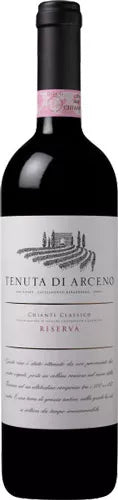
Shipment within approx. 2 business days.

Shipment within approx. 2 business days.
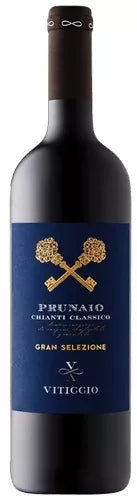
Shipment within approx. 2 business days.
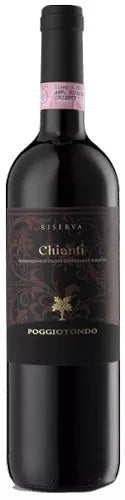
Ordered before 16:00, shipped the same business day!
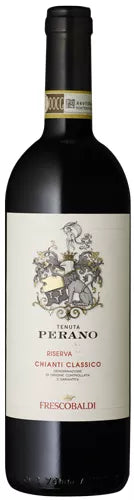
Shipment within approx. 2 business days.
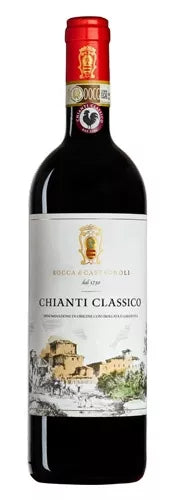
Shipment within approx. 2 business days.
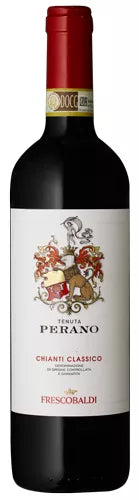
Shipment within approx. 2 business days.
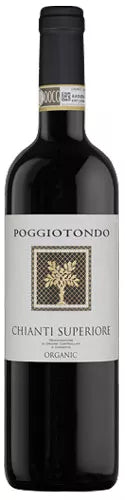
Shipment within approx. 2 business days.
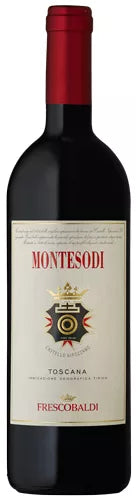
Ordered before 16:00, shipped the same business day!
What is Chianti wine?
Chianti wine is a red wine from Tuscany made primarily from Sangiovese. The region is divided into several sub-zones, of which Chianti Classico is the historic and most prestigious. Chianti is known for its vibrant acidity, red cherry notes, subtle herbal nuances, and elegant structure. Depending on the origin and ageing, Chianti can range from fruity and light to structured and full of ageing potential.
Origin and vineyards
Chianti covers a large part of central Tuscany and consists of hills with a mix of limestone, galestro (weathered schist), sand, and clay. The altitude of the vineyards ensures cool nights, which are essential for the freshness and aromatic expression of Sangiovese.
Main areas within Chianti are:
• Chianti Classico DOCG – the historic heartland between Florence and Siena, with villages such as Castellina, Gaiole, Greve and Radda.
• Chianti Rufina – cooler and more aromatic due to the higher altitude.
• Chianti Colli Senesi – warmer zone with slightly riper expression.
• Chianti Colli Fiorentini, Colli Aretini, Montalbano, Montespertoli and Colline Pisane – broader sub-zones each with its own style, ranging from smooth and fruity to serious and structured.
Chianti Classico is recognised by the Gallo Nero (black rooster) on the bottle.
Styles and vinification
Chianti is made up exclusively of red wines, but they have clear stylistic differences depending on the maturation and sub-zone.
Chianti
Accessible and fruity style.
• Characteristics: red cherry, soft spices, lively acidity.
• Maturation: usually in stainless steel or large wood for a fresh style.
Chianti Superiore
A more strictly classified version with slightly higher quality requirements.
• More concentration and maturation than the basic Chianti.
Chianti Classico
More complex and structured due to the calcareous terroir of the historic area.
• Characteristics: violets, cherries, fine tannins, depth and balance.
• Maturation: ranging from stainless steel to large barrels or barriques.
Chianti Classico Riserva
Longer maturation and extra complexity.
• Characteristics: riper fruit, more structure, longer aftertaste.
• Storage potential: excellent.
Chianti Classico Gran Selezione
The highest quality category with strict rules.
• Origin: only the best vineyards.
• Style: powerful, refined and particularly suitable for long bottle maturation.
The use of oak varies from traditional Slavonian wood to modern French barriques ( read more about oak use here ), depending on the winery. Sangiovese always remains the foundation of the wine: aromatic, fresh, and elegant.
Storage and serving
Basic Chianti should be enjoyed within three to five years. Chianti Classico and Superiore can age for six to ten years. Riserva and Gran Selezione can age for ten to twenty years, developing greater depth and complexity. Serve Chianti at 16–18 degrees Celsius (60–64 degrees Fahrenheit) and decant young but structured wines for added openness.
Buy Chianti at Perfectewijn.nl
At Perfecte Wijn, you'll find a selection of Chianti wines from Chianti, Chianti Classico, Riserva, and Gran Selezione. From fruity and accessible to powerful and gourmet, each bottle demonstrates why Sangiovese is such a beloved grape in Tuscany.
Chianti
Chianti is one of Italy 's most famous wine regions and forms the heart of Tuscany's Sangiovese tradition . The region is particularly known for vibrant red wines with cherry fruit, floral notes, and a remarkably fresh structure. Chianti ranges from smooth, accessible styles to complex Riserva wines that can age for years. Thanks to Tuscany's rolling hills, chalky soils, and the distinctive Sangiovese grape, Chianti has become one of the most recognizable red wines in the world.
What is Chianti wine?
Chianti wine is a red wine from Tuscany made primarily from Sangiovese. The region is divided into several sub-zones, of which Chianti Classico is the historic and most prestigious. Chianti is known for its vibrant acidity, red cherry notes, subtle herbal nuances, and elegant structure. Depending on the origin and ageing, Chianti can range from fruity and light to structured and full of ageing potential.
Origin and vineyards
Chianti covers a large part of central Tuscany and consists of hills with a mix of limestone, galestro (weathered schist), sand, and clay. The altitude of the vineyards ensures cool nights, which are essential for the freshness and aromatic expression of Sangiovese.
Main areas within Chianti are:
• Chianti Classico DOCG – the historic heartland between Florence and Siena, with villages such as Castellina, Gaiole, Greve and Radda.
• Chianti Rufina – cooler and more aromatic due to the higher altitude.
• Chianti Colli Senesi – warmer zone with slightly riper expression.
• Chianti Colli Fiorentini, Colli Aretini, Montalbano, Montespertoli and Colline Pisane – broader sub-zones each with its own style, ranging from smooth and fruity to serious and structured.
Chianti Classico is recognised by the Gallo Nero (black rooster) on the bottle.
Styles and vinification
Chianti is made up exclusively of red wines, but they have clear stylistic differences depending on the maturation and sub-zone.
Chianti
Accessible and fruity style.
• Characteristics: red cherry, soft spices, lively acidity.
• Maturation: usually in stainless steel or large wood for a fresh style.
Chianti Superiore
A more strictly classified version with slightly higher quality requirements.
• More concentration and maturation than the basic Chianti.
Chianti Classico
More complex and structured due to the calcareous terroir of the historic area.
• Characteristics: violets, cherries, fine tannins, depth and balance.
• Maturation: ranging from stainless steel to large barrels or barriques.
Chianti Classico Riserva
Longer maturation and extra complexity.
• Characteristics: riper fruit, more structure, longer aftertaste.
• Storage potential: excellent.
Chianti Classico Gran Selezione
The highest quality category with strict rules.
• Origin: only the best vineyards.
• Style: powerful, refined and particularly suitable for long bottle maturation.
The use of oak varies from traditional Slavonian wood to modern French barriques ( read more about oak use here ), depending on the winery. Sangiovese always remains the foundation of the wine: aromatic, fresh, and elegant.
Storage and serving
Basic Chianti should be enjoyed within three to five years. Chianti Classico and Superiore can age for six to ten years. Riserva and Gran Selezione can age for ten to twenty years, developing greater depth and complexity. Serve Chianti at 16–18 degrees Celsius (60–64 degrees Fahrenheit) and decant young but structured wines for added openness.
Buy Chianti at Perfectewijn.nl
At Perfecte Wijn, you'll find a selection of Chianti wines from Chianti, Chianti Classico, Riserva, and Gran Selezione. From fruity and accessible to powerful and gourmet, each bottle demonstrates why Sangiovese is such a beloved grape in Tuscany.
Frequently Asked Questions
What is the difference between Chianti and Chianti Classico?
Chianti Classico comes from the historic core area and often has more depth, structure, and complexity.
Is Chianti always made from Sangiovese?
Yes, Sangiovese is the base, supplemented with small amounts of other grapes depending on the regulations.
What does Chianti taste like?
Chianti has lively acidity, red cherry, floral notes and a fresh, elegant structure.
How long can you keep Chianti?
You drink basic Chianti young, but Chianti Classico Riserva and Gran Selezione can age for ten to twenty years.
What do you eat with Chianti?
The fresh acidity makes Chianti a good match for tomato-rich dishes such as pasta, pizza and Tuscan classics.


